
Electrical Panel Upgrades
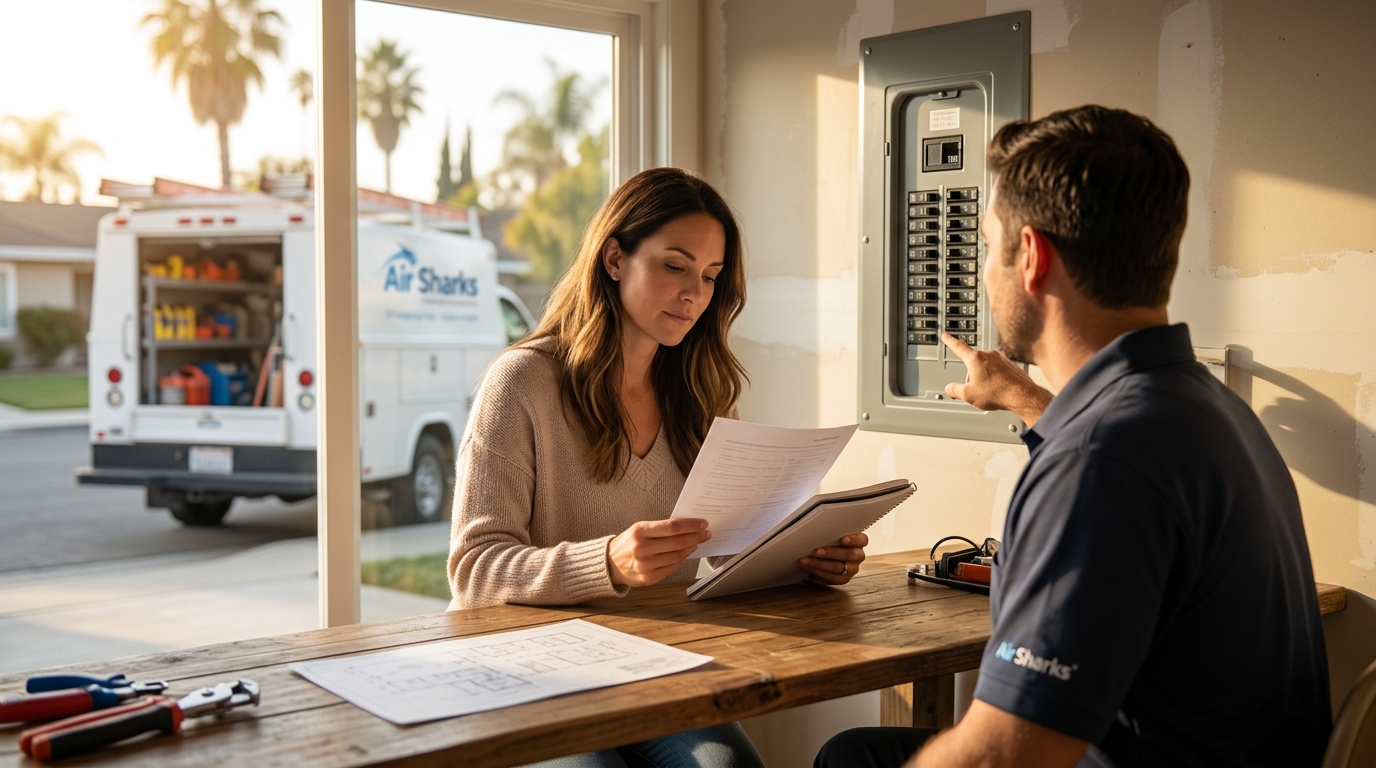
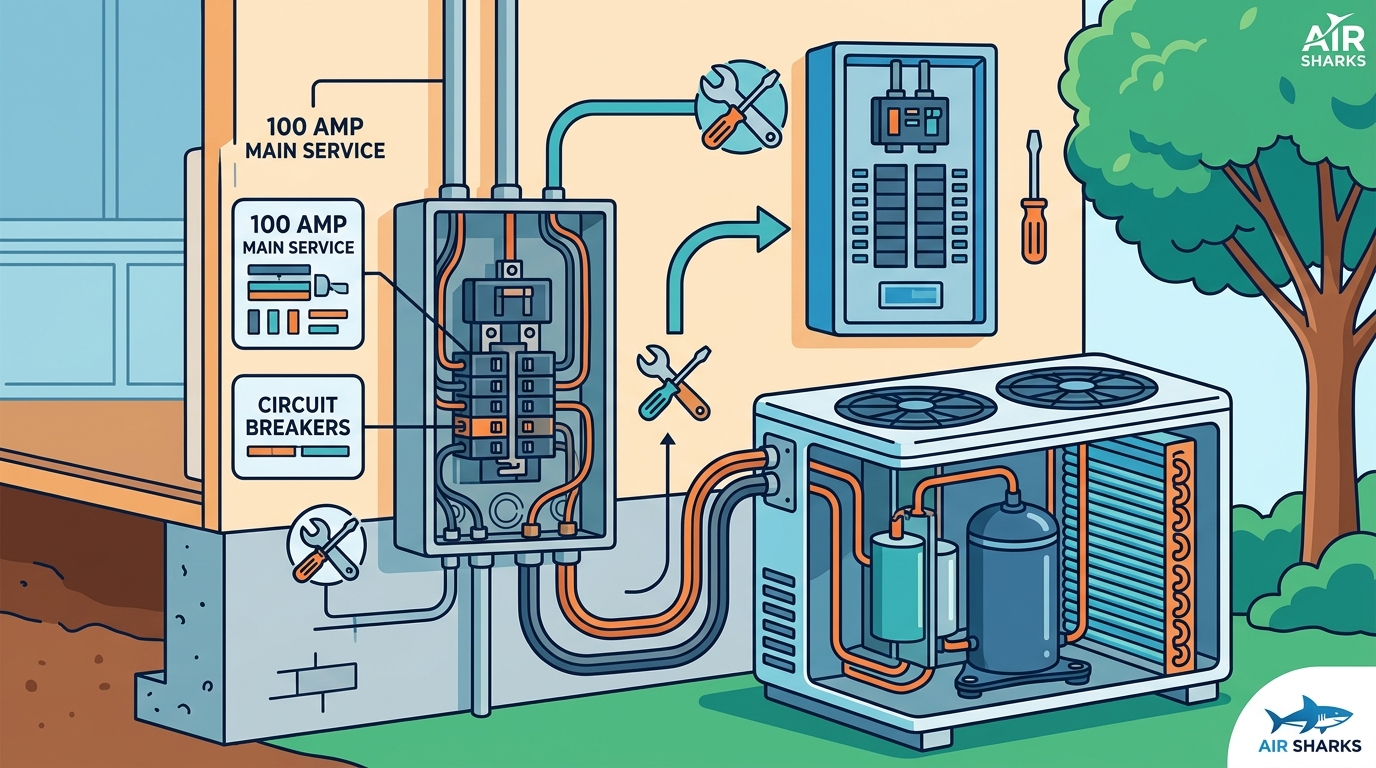
Heat pumps are electrically intensive systems that move heat rather than generating it from fuel. This efficiency comes with a significant power draw that older homes may not support. Electrical panel capacity is the most common hidden cost in heat pump installations. If your home was built before 1990, your main service panel likely has a 100-amp or 150-amp capacity. Modern heat pumps, especially cold-climate models, often require a dedicated 40-amp to 60-amp circuit. If your panel is already near its limit, adding a heat pump circuit may trigger a full panel upgrade. For additional details, review the Career Air Sharks.
Assessing Your Current Load
An electrician must perform a load calculation before any HVAC work begins. This process identifies whether your existing wiring can handle the new equipment. In San Jose, many homes have older aluminum wiring or undersized service drops. Upgrading a panel from 100 amps to 200 amps is a major project. It involves replacing the main breaker, rewiring sub-panels, and potentially upgrading the service drop from the utility pole. This work is distinct from the HVAC installation and requires a licensed electrical contractor.
Cost of Electrical Work
Key Cost Factors
The base price of a heat pump unit is only one part of the total installation cost. Several variables determine the final invoice. Understanding these factors helps you compare quotes from different providers accurately. The three primary drivers are unit size, home efficiency, and labor complexity. For additional details, review the Air Quality Air Sharks.
Unit Size and Type
Heat pump size is measured in tons. A standard San Jose home requires a 2-ton to 3-ton system. Larger homes or those with poor insulation may need 4-ton or 5-ton units. Cold-climate heat pumps are specifically designed to operate at low outdoor air temperatures. They use advanced compressors and refrigerants that allow for improved low-temperature performance. These specialized units cost more than standard models. However, they provide reliable heating in San Jose's occasional cold snaps. Standard air-source heat pumps are generally cheaper upfront but may struggle in extreme cold.
Home Efficiency and Insulation
Your home's thermal envelope dictates the size of the heat pump required. If your attic insulation is old or insufficient, the heat pump must work harder to maintain temperature. This increases the required tonnage and the unit cost. It is always wise to optimize your attic insulation first. Adding insulation can reduce the required heat pump size by one ton. This reduction saves thousands of dollars on equipment and installation. Air quality and ductwork condition also impact performance. Leaky ducts force the system to run longer, increasing energy bills and wear on the compressor.
Labor and Installation Complexity
| Cost Component | Estimated Range (USD) | Notes |
|---|
Rebates and Incentives
Federal and state incentives significantly reduce the net cost of heat pump installation. The federal government offers tax credits for energy-efficient heating and cooling systems. These incentives are designed to encourage the adoption of cleaner, more efficient technologies. Homeowners in San Jose can stack federal credits with local utility rebates to maximize savings.
Federal Tax Credits
The federal tax credit for air-source heat pumps is a major financial incentive. If your heating or cooling system is old, and you are considering a new air source heat pump, it is always wise to optimize your attic insulation first. The tax credit applies to the cost of the equipment and installation. You must retain your receipts and tax forms to claim this credit. The credit percentage and income limits are subject to change, so verify current eligibility before purchasing. This incentive is available for both standard and cold-climate heat pumps that meet specific efficiency standards. according to Air Source Heat
Utility and Local Rebates
Key Takeaways
- Cold-climate heat pumps cost more upfront but perform better in low temperatures.
- Improving attic insulation can reduce the required heat pump size and lower costs.
- Federal tax credits and local utility rebates can offset a significant portion of the expense.
- Labor costs in San Jose are higher than the national average due to local wage standards.
- Always request a separate electrical estimate before signing an HVAC contract.
- Ductless mini-splits may save on ductwork but require multiple indoor units.
Frequently Asked Questions
How much does a heat pump cost in San Jose?
Do I need to upgrade my electrical panel for a heat pump?
What is a cold-climate heat pump?
A cold-climate heat pump is a system specifically designed to operate at low outdoor air temperatures. It uses advanced compressors and refrigerants that allow for improved low-temperature performance. These units are more expensive than standard models but provide reliable heating in colder weather.
Are there rebates for heat pump installation in San Jose?
How long does heat pump installation take?
A standard heat pump installation typically takes one to two days. If an electrical panel upgrade is required, the project may take three to five days. Ductless mini-split systems can take longer if multiple indoor units are installed. The exact timeline depends on the complexity of the job and local permitting requirements.
Should I upgrade my insulation before installing a heat pump?
Yes, it is always wise to optimize your attic insulation first. Adding insulation can reduce the required heat pump size by one ton. This reduction saves thousands of dollars on equipment and installation. It also improves the overall energy efficiency of your home.
Conclusion
Installing a heat pump in San Jose is a significant investment that requires careful planning. The total cost depends on your home's electrical capacity, insulation quality, and the specific unit you choose. By understanding the cost factors and available incentives, you can budget accurately and maximize your savings. Schedule a visit with Air Sharks to get a detailed estimate for your home. Our licensed technicians will assess your electrical panel, insulation, and ductwork to provide a comprehensive quote. according to Air Source Heat