When your heating or cooling system fails at night, immediate safety checks and basic troubleshooting are critical. You should first verify power sources, check the thermostat, and ensure the system is not tripped. If these steps do not restore function, contact a professional for emergency HVAC repair. Air Sharks provides reliable support for San Jose residents facing these urgent situations.
Immediate Safety Checks for Nighttime Failures
Before attempting any repairs, ensure your environment is safe. A sudden stop in HVAC operation can sometimes indicate a serious electrical or gas issue. Emergency HVAC repair is a service category defined by the need for immediate intervention to restore comfort and safety. If you smell gas, leave the house immediately and call your utility provider from outside. Do not flip light switches or use electrical devices inside the home. For additional details, review the Privacy Policy Air Sharks.
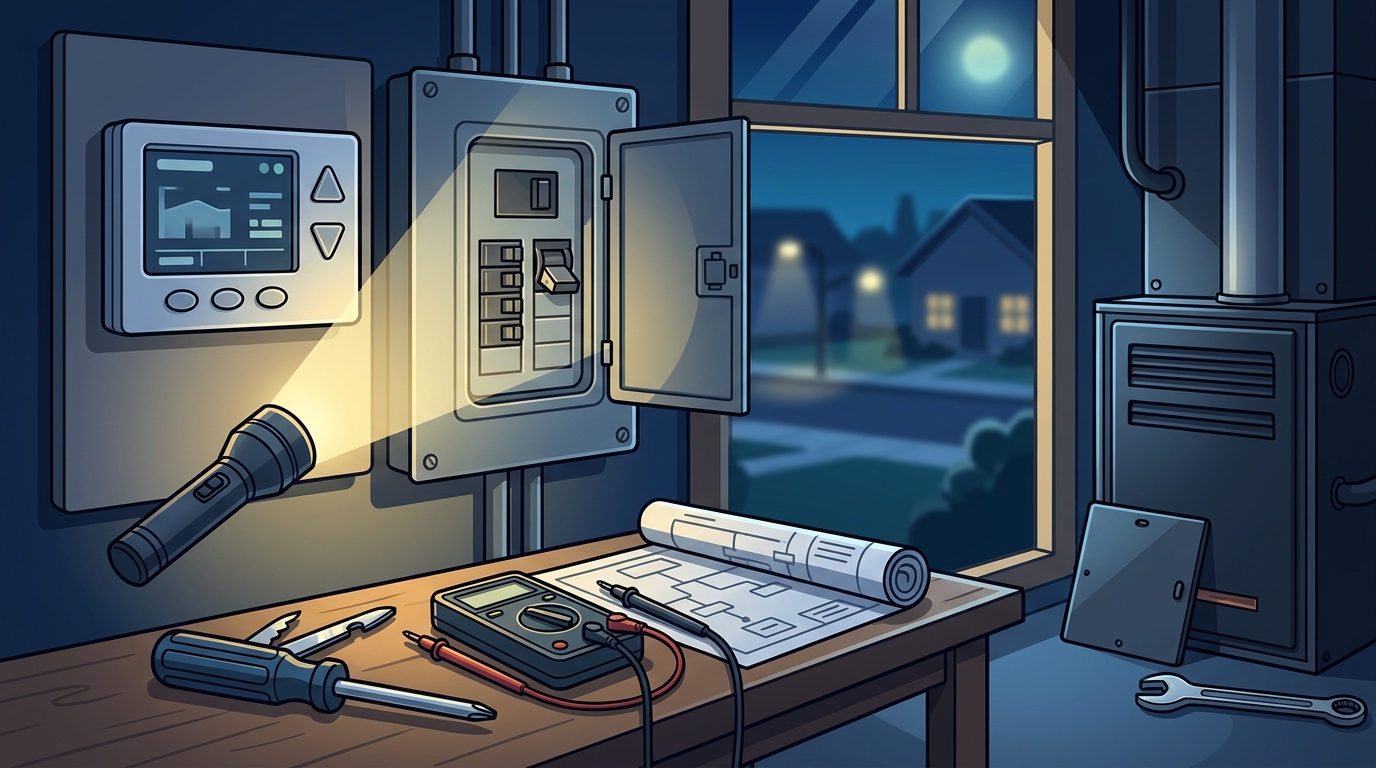
Check your main electrical panel for tripped breakers. A tripped breaker is a common cause of sudden system shutdown. If the breaker trips again immediately after resetting, do not reset it a third time. This indicates a short circuit or component failure that requires professional attention. Ignoring this warning can lead to fire hazards or permanent equipment damage.
Basic Troubleshooting Steps for Homeowners
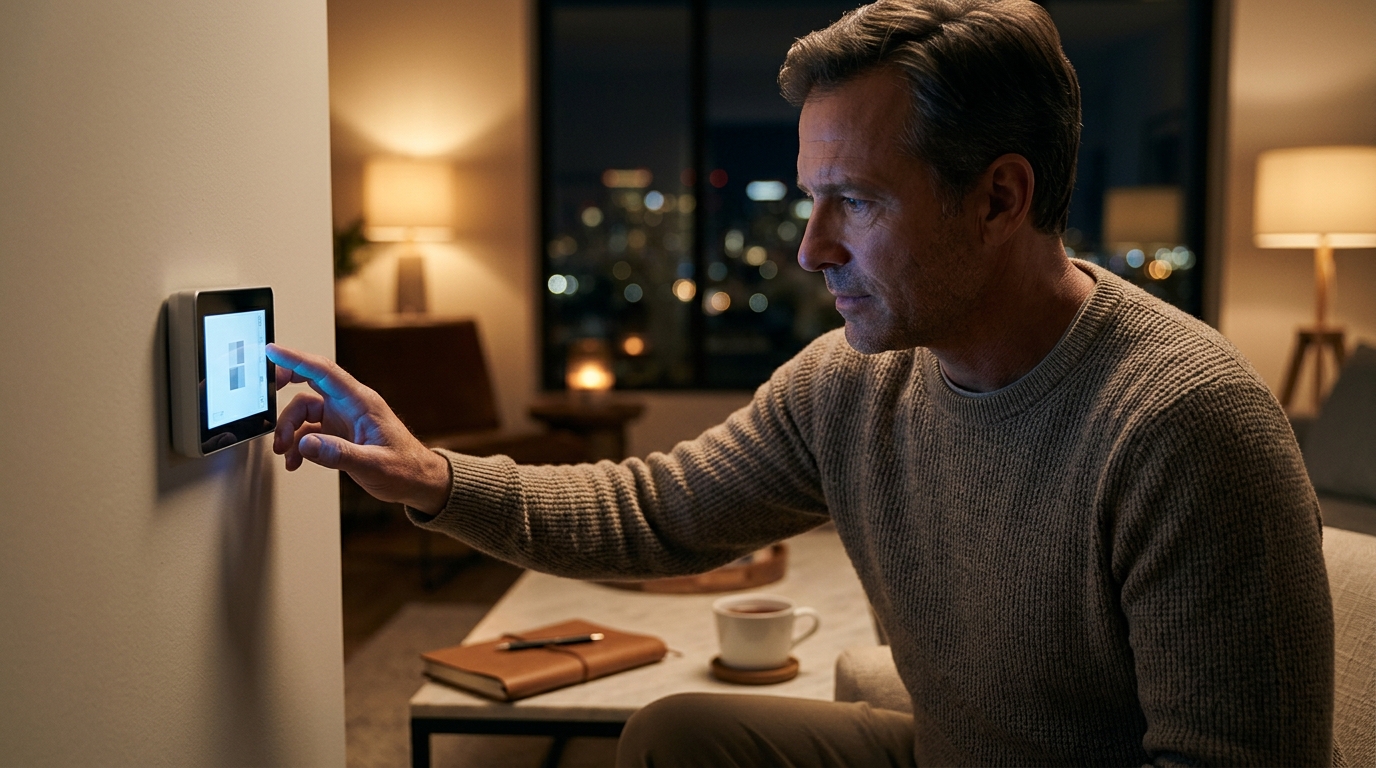
Once safety is confirmed, perform basic diagnostics to identify simple issues. Start with the thermostat. Ensure it is set to the correct mode (Heat or Cool) and that the temperature is set above or below the current room temperature. A blank display often means the thermostat batteries are dead. Replacing these batteries is a quick fix that can restore system operation.
Next, inspect the air filter. A severely clogged filter can restrict airflow and cause the system to shut down as a safety measure. While changing a filter is easy, it is not a substitute for professional maintenance. If the system runs but does not produce conditioned air, check the outdoor unit for ice buildup or debris. Clearing debris from around the condenser coil can improve airflow, but do not attempt to clean internal components.
When to Call a Professional Service
Some issues require specialized tools and training that homeowners do not possess. If the system makes unusual noises, such as grinding, screeching, or banging, turn it off immediately. These sounds often indicate mechanical failure in the compressor or blower motor. Continuing to run the system can cause catastrophic damage. Professional HVAC diagnostics is the process of using specialized equipment to identify the root cause of system failure. This ensures that the repair addresses the actual problem rather than just the symptom.
Consider the age and condition of your equipment. If your system is over 15 years old and has a history of frequent repairs, a full replacement might be more cost-effective than a major repair. A technician can assess the remaining lifespan of your unit and provide a clear recommendation. This decision helps you avoid repeated emergency calls in the future.
Understanding Emergency Service Availability
Emergency service rates may differ from standard business hours. It is wise to ask about pricing structures before authorizing work. Transparent communication about costs helps you make informed decisions. A reputable company will explain the scope of work and associated fees clearly before beginning repairs. This transparency builds trust and ensures you are not surprised by the final bill.
Preventing Future Nighttime Failures
Preventive maintenance is among the best defense against sudden HVAC failures. Regular inspections can identify worn parts, refrigerant leaks, and electrical issues before they become emergencies. Scheduling a tune-up in the spring and fall ensures your system is ready for peak demand. This proactive approach extends the life of your equipment and improves energy efficiency.
Keep your contact information for a trusted HVAC provider readily available. Save the number in your phone and post it near your thermostat. In a crisis, you do not want to waste time searching for a reliable service. Having a pre-established relationship with a provider like Air Sharks ensures faster response times and familiar service standards. This preparation provides peace of mind during extreme weather events.
Key Takeaways
- Always prioritize safety by checking for gas leaks and tripped breakers before troubleshooting.
- Replace thermostat batteries and clean air filters as first-line diagnostic steps.
- Turn off the system immediately if you hear unusual mechanical noises.
- Emergency HVAC repair requires specialized tools and professional expertise.
- Schedule regular preventive maintenance to avoid sudden failures.
- Keep a trusted HVAC provider's contact information easily accessible.
Frequently Asked Questions
Is it safe to troubleshoot my HVAC system at night?
Yes, basic troubleshooting like checking the thermostat and filter is safe. However, avoid opening electrical panels or touching internal components. If you smell gas or see sparks, leave the house and call for professional help.
How much does emergency HVAC repair cost?
Costs vary based on the specific issue and time of day. Emergency service rates are typically higher than standard rates. Always ask for a clear estimate before authorizing work to avoid surprises.
Can I fix a tripped breaker myself?
You can reset a tripped breaker once. If it trips again immediately, do not reset it. This indicates a serious electrical fault that requires a licensed electrician or HVAC technician to diagnose and repair.
What should I do if my AC is blowing warm air at night?
Check the thermostat settings and ensure the outdoor unit is not blocked by debris. If the issue persists, it may be a refrigerant leak or compressor failure. Turn off the system and call a professional for inspection.
How quickly can a technician arrive for a nighttime emergency?
Response times depend on the provider and current demand. Reputable companies like Air Sharks aim to provide prompt service for emergencies. Having a pre-established relationship with a local provider can often expedite the process.
Should I replace my old HVAC system instead of repairing it?
If your system is over 15 years old and requires frequent repairs, replacement may be more cost-effective. A technician can assess the remaining lifespan and help you decide between repair and replacement based on your budget and needs.
Conclusion
Nighttime HVAC failures are stressful, but a calm and methodical approach can mitigate the impact. Prioritize safety, perform basic checks, and know when to call for professional help. Air Sharks is committed to providing superior service and full solutions for heating and cooling needs in the San Jose area. To ensure your system is ready for any emergency, schedule your visit now and maintain your equipment proactively.