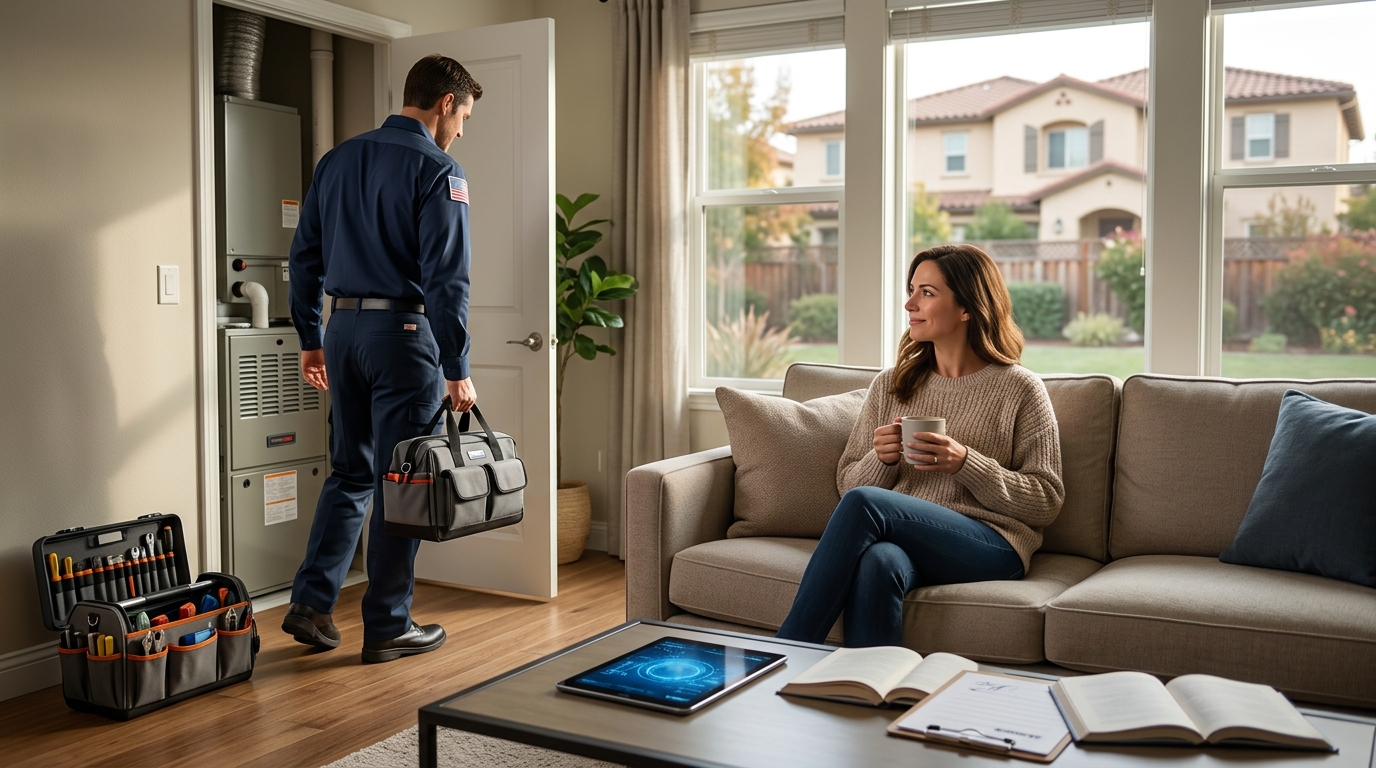
Emergency HVAC repair in San Jose is provided by licensed, local technicians who respond to urgent heating and cooling failures. Air Sharks serves the San Jose area with rapid response services for both air conditioning and furnace systems. This guide covers how to choose a provider, verify credentials, understand costs, and navigate the repair process effectively.
How to Choose a Provider
Choosing the right emergency HVAC provider requires looking beyond price. A reputable company prioritizes transparency, licensing, and local experience. Emergency HVAC repair is a service that addresses urgent system failures to restore comfort and safety. You should look for a company that clearly communicates its response times and service area. Air Sharks is a Diamond Certified HVAC company serving the San Jose area, which indicates a commitment to quality standards recognized by local business associations.
Key Differentiators
Experience matters in emergency situations. Technicians who have worked in the specific climate of the Bay Area understand common failure modes for local systems. Look for providers who offer both heating and cooling services, as this ensures they can handle any system in your home. Avoid companies that do not clearly state their licensing status or insurance coverage. For additional details, review the Terms Of Use Air.
What to Ask Before Committing
Before scheduling an emergency visit, ask specific questions to gauge the provider's professionalism. These questions help you understand what to expect and protect you from unexpected charges.
- What is the estimated arrival time? For additional details, review the Air Conditioning Repair San.
- Are your technicians licensed and insured?
- Do you provide a written estimate before starting work?
- What is your warranty on parts and labor?
A trustworthy provider will answer these questions clearly and without pressure. If a company hesitates to provide a written estimate or refuses to discuss pricing, consider finding another option.
How to Verify Credentials
Verifying credentials is a critical step in ensuring safety and quality. License verification is the process of confirming that a contractor holds a valid state-issued license. In California, HVAC contractors must hold a C-38 license. You can verify this license through the California Contractors State License Board (CSLB) website. Additionally, check for insurance certificates to ensure the company is liable for any damages that may occur during the repair.
Reputable companies like Air Sharks are transparent about their credentials. You can often find their license numbers on their website or by calling their office. Do not hesitate to ask for proof of insurance and licensing before allowing a technician into your home.
How the Repair Process Works
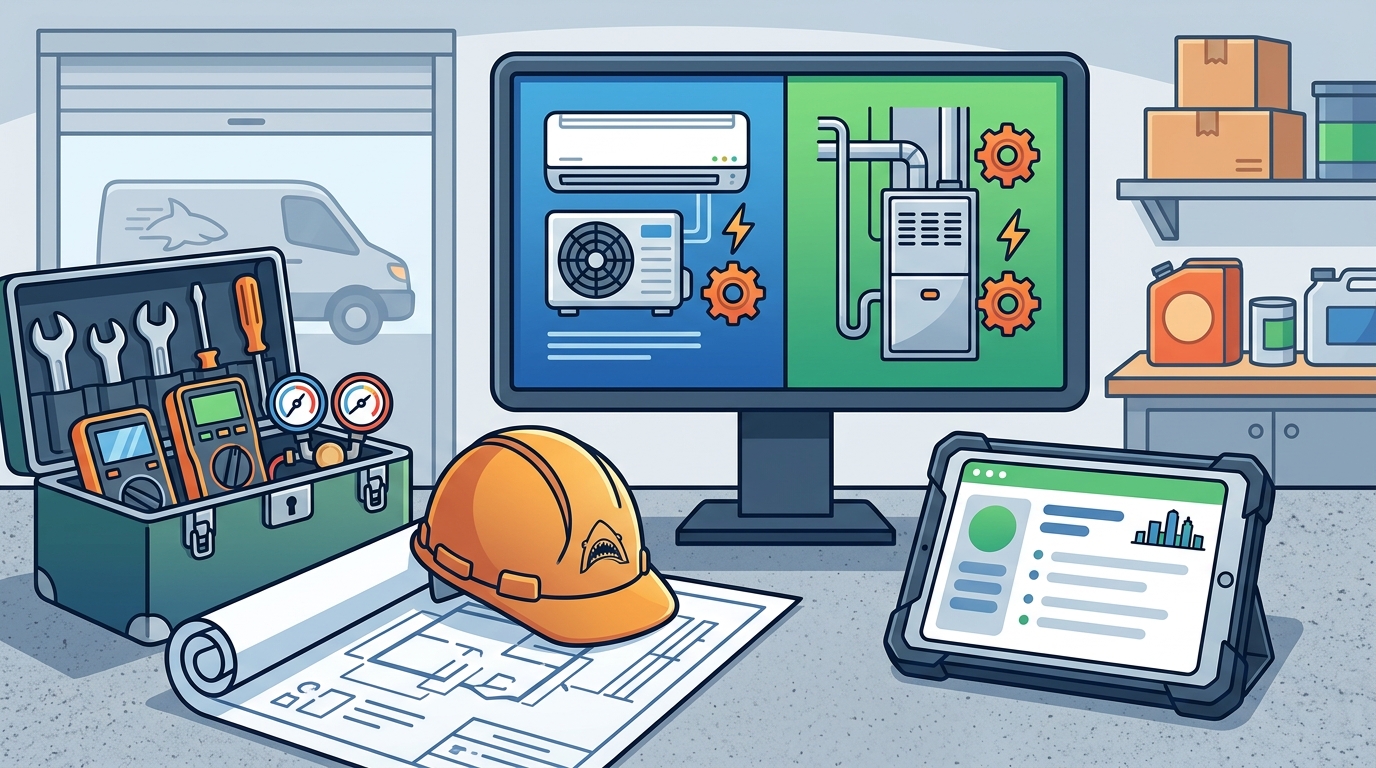
Understanding the workflow helps reduce anxiety during an emergency. The process typically follows a structured sequence from initial contact to final resolution.
Step-by-Step Workflow
- Initial Contact: You call or schedule online, describing the symptoms.
- Dispatch: The company assigns a technician and provides an arrival window.
- Diagnosis: The technician inspects the system to identify the root cause.
- Estimate: You receive a detailed quote for parts and labor.
- Approval: You approve the work before any repairs begin.
- Repair: The technician performs the necessary fixes.
- Testing: The system is tested to ensure it is operating correctly.
This structured approach ensures that you are not charged for work you did not authorize. It also provides a clear timeline for when your comfort will be restored.
What It Costs
Costs for emergency HVAC repair vary based on several factors. Understanding these drivers helps you budget effectively. Diagnostic fee is a charge for the initial inspection and identification of the problem. This fee is often waived if you proceed with the repair. Labor rates, parts costs, and the complexity of the issue all influence the final price.
| Cost Factor | Description | Impact on Price |
|---|---|---|
| Diagnostic Fee | Charge for initial inspection | Fixed, often waived with repair |
| Labor | Technician time and expertise | Variable, based on hours |
| Parts | Cost of replacement components | Variable, based on part type |
| Emergency Surcharge | Fee for after-hours or weekend service | May apply, varies by company |
Always ask for a detailed breakdown of costs before authorizing work. This ensures transparency and helps you compare options if you are considering multiple providers.
Common Mistakes to Avoid
Homeowners often make mistakes that can lead to higher costs or safety risks. Avoiding these pitfalls ensures a smoother repair experience.
- Ignoring Warning Signs: Delaying repair until the system fails completely can lead to more extensive damage.
- Choosing the Cheapest Option: Low prices may indicate unlicensed or uninsured technicians, posing safety and liability risks.
- Not Getting a Written Estimate: Verbal quotes can lead to disputes over final costs.
- Skipping Maintenance: Regular maintenance prevents many emergency failures.
By staying proactive and informed, you can avoid these common errors and ensure a positive outcome.
Repair vs. Replacement
Sometimes, repair is not the best option. Understanding when to repair versus replace helps you make a financially sound decision. System replacement is the process of installing a new HVAC unit to replace an old or failing one. If your system is over 10-15 years old, repair costs may exceed the value of the unit. In such cases, replacement may be more cost-effective in the long run.
Consider the age of your system, the frequency of repairs, and the cost of the proposed fix. A reputable provider will advise you on the best option based on your specific situation. Air Sharks offers both repair and installation services, allowing you to make an informed choice.
Specific Situations
Different scenarios require different approaches. Understanding how specific situations affect your repair needs helps you prepare.
Extreme Heat or Cold
During extreme weather, response times may be longer due to high demand. It is crucial to act quickly to maintain comfort and prevent further damage. Prioritize repairs that address safety issues, such as gas leaks or electrical faults.
Older Systems
Older systems may have parts that are no longer manufactured. This can increase repair costs and lead times. Discuss part availability with your technician before authorizing work.
New Construction
If you are in a newly built home, ensure that your HVAC system is properly sized and installed. Emergency repairs in new homes may indicate installation errors that need to be addressed by the original contractor.
Rules and Protections
Additionally, local building codes may apply to HVAC installations and repairs. Ensure that your provider is familiar with and complies with these codes. This protects your home's safety and value.
Local Specifics for San Jose
San Jose's climate and housing stock present unique challenges for HVAC systems. The area experiences hot, dry summers and mild winters, but occasional cold snaps can stress heating systems. Many homes in San Jose have central air conditioning, which requires regular maintenance to handle the heat. Air Sharks serves the San Jose area with expertise in local conditions.
Local factors such as dust, pollen, and humidity levels can affect system performance. Regular filter changes and coil cleaning are essential in this environment. Understanding these local specifics helps you maintain your system and prevent emergencies.
Timing and Response
Timing plays a crucial role in emergency HVAC repair. Acting quickly can prevent minor issues from becoming major failures. Response time is the duration between your call and the technician's arrival. Reputable companies aim to provide rapid response, especially during peak seasons. If your system fails during extreme weather, expect higher demand and potentially longer wait times.
Plan ahead by scheduling maintenance before peak seasons. This reduces the likelihood of emergencies and ensures your system is ready for the demands of the season. If you experience a failure, contact your provider immediately to secure a spot in the queue.
Long-Term Results
Emergency repairs are a short-term solution, but long-term results depend on ongoing maintenance. Regular service extends the life of your HVAC system and improves efficiency. Preventive maintenance is a scheduled service that cleans, inspects, and tunes your system to prevent failures. By investing in regular maintenance, you can avoid costly emergencies and enjoy consistent comfort.
Track your system's performance over time. Note any changes in energy bills, comfort levels, or unusual noises. This data helps you and your technician identify trends and address issues before they become critical. Air Sharks offers maintenance plans that provide ongoing support for your HVAC needs.
Key Takeaways
- Choose a licensed, insured, and locally experienced HVAC provider.
- Verify credentials through the California CSLB and request proof of insurance.
- Always ask for a written estimate before authorizing work.
- Understand the cost drivers, including diagnostic fees, labor, and parts.
- Avoid common mistakes like ignoring warning signs or choosing the cheapest option.
- Consider replacement if your system is old and repair costs are high.
- Comply with local building codes and consumer protection laws.
- Invest in regular maintenance to prevent future emergencies.
Frequently Asked Questions
How quickly can I get emergency HVAC repair in San Jose?
Do I need to be home for the repair?
Yes, you generally need to be home to grant access to the technician and approve any work. Some companies may offer remote diagnostics, but physical access is usually required for repairs.
What if the repair is not covered by my warranty?
If the repair is not covered, you will be responsible for the cost. Always ask about warranty coverage before authorizing work. Reputable providers will clearly explain what is and is not covered.
How often should I schedule HVAC maintenance?
It is recommended to schedule maintenance at least once a year for both heating and cooling systems. In San Jose's climate, semi-annual maintenance may be beneficial to handle the seasonal changes.
Can I use my own parts for the repair?
Generally, no. HVAC technicians use parts that are compatible with your system and often come with a warranty. Using your own parts may void the warranty on the repair.
What should I do if my system is leaking water?
Turn off the system immediately to prevent water damage. Contact an emergency HVAC provider for a prompt inspection. Water leaks can indicate a clogged drain line or a refrigerant leak.
Conclusion
Emergency HVAC repair in San Jose is a critical service that requires a trusted, licensed provider. By choosing a reputable company like Air Sharks, you ensure quality, safety, and transparency. Take the time to verify credentials, ask the right questions, and understand the costs involved. With the right approach, you can restore your comfort quickly and prevent future issues. For reliable emergency HVAC services in San Jose, contact Air Sharks today.