Diagnostic Fees and Initial Inspection
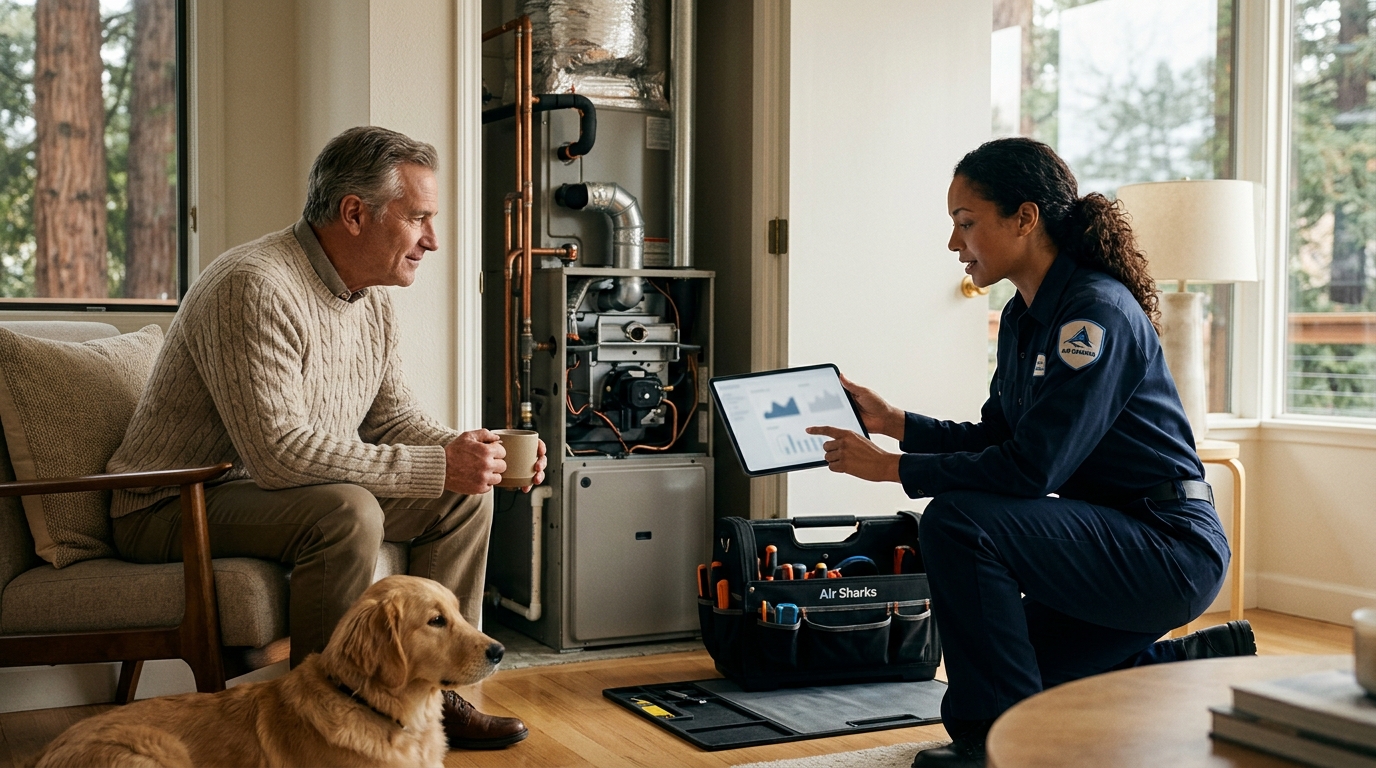
Many HVAC companies, including Air Sharks, offer a diagnostic fee waiver if you proceed with the recommended repair. This means the inspection cost is credited toward the total bill, effectively making the diagnosis free if you accept the service. However, if you decline the repair, the diagnostic fee remains non-refundable. This structure protects the technician's time while ensuring transparency for the homeowner. You should always ask for a written estimate before authorizing any work beyond the initial inspection.
What is included in a diagnostic visit?
A standard diagnostic visit includes a visual inspection of the furnace unit, a check of the thermostat settings, and a review of the ignition system. Technicians will also test the blower motor and verify gas pressure levels. This comprehensive approach ensures that the quote you receive addresses the actual problem, not just the symptom.
Labor Rates and Service Calls
It is important to distinguish between hourly rates and flat-rate pricing. Some companies charge by the hour, while others use a flat-rate menu based on the specific job. Flat-rate pricing can be more predictable for the customer, as the price is agreed upon before work begins. Regardless of the billing model, you should request a detailed breakdown of labor and parts. This ensures there are no hidden fees and that you understand exactly what you are paying for.
Common Parts and Replacement Costs
| Component | Average Part Cost | Estimated Labor | Total Repair Range |
|---|
The heat exchanger is the most expensive component to replace. It is a critical safety part that separates combustion gases from the air circulating in your home. If the heat exchanger cracks, it can release carbon monoxide into your living space. Because of this safety risk, many technicians will recommend replacing the entire furnace rather than repairing a cracked heat exchanger. This is often the only scenario where a repair cost approaches the price of a new unit.
Repair vs. Replacement: The 50% Rule
Emergency and After-Hours Pricing
To avoid emergency fees, it is wise to schedule maintenance before the heating season begins. A pre-season tune-up can identify potential issues before they become emergencies. If you do need emergency service, ensure the company you call offers 24/7 availability. Air Sharks provides 24/7 service for heating and cooling needs, ensuring that your home remains comfortable even when problems arise at inconvenient times. Always confirm the emergency rate before authorizing service to avoid surprises on your bill.
How Maintenance Prevents Costly Repairs
Regular maintenance is the most effective way to control furnace repair costs. A maintenance plan is a service agreement that includes scheduled inspections and tune-ups throughout the year. These visits allow technicians to clean components, check for wear and tear, and verify system performance. By addressing minor issues early, you prevent them from escalating into major failures. For instance, a dirty flame sensor can cause the furnace to shut down, but cleaning it during a tune-up is a minor task. If left unaddressed, the sensor may fail completely, requiring a part replacement and a service call.
Membership programs often include discounts on repairs and parts. For example, members may receive a percentage off all service calls and parts. This discount can significantly reduce the total cost of any necessary repairs. Additionally, maintenance plans often include priority scheduling, ensuring that your repair is handled quickly during high-demand periods. Investing in a maintenance plan is a proactive strategy that protects your investment and extends the life of your equipment. It is a cost-effective approach to home comfort management.
Key Takeaways
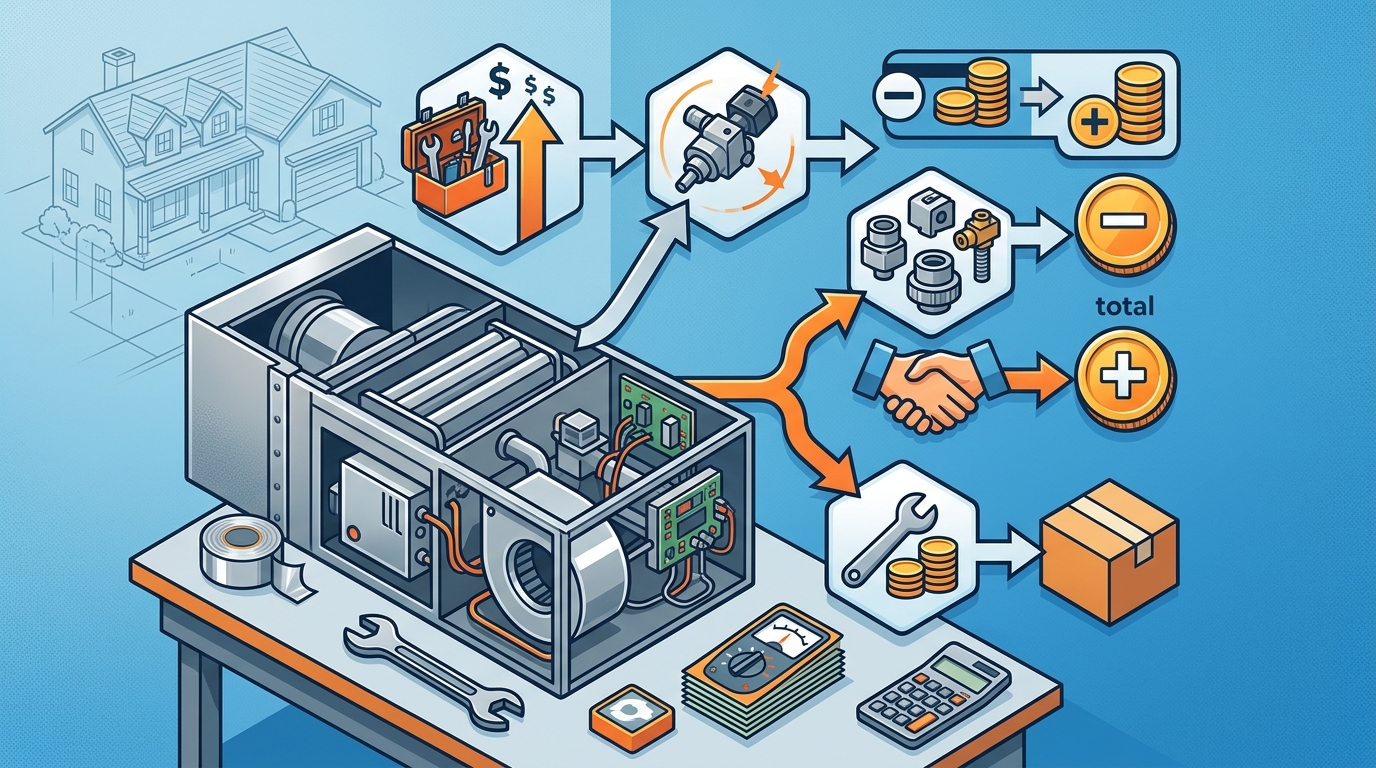
- The 50% rule helps determine if a repair is worth it: replace the furnace if the repair costs more than half the price of a new unit.
- Regular maintenance prevents minor issues from becoming costly emergencies and can extend the lifespan of your furnace.
- Older, less efficient furnaces may save more money through replacement due to lower energy bills.
Frequently Asked Questions
How much does a basic furnace tune-up cost in San Jose?
Is it worth repairing a 15-year-old furnace?
Generally, no. If the repair cost is more than 50% of the cost of a new furnace, replacement is usually the better financial decision. A 15-year-old furnace is near the end of its expected lifespan, and future repairs are likely.
What is the most common furnace repair?
The most common repair is a faulty flame sensor or igniter. These components wear out over time and are relatively inexpensive to replace. A dirty flame sensor can also cause shutdowns, which is easily fixed during a maintenance visit.
Do HVAC companies charge for diagnostics if I don't fix the issue?
Yes, most companies charge a diagnostic fee if you decline the repair. This fee covers the technician's time and travel. However, if you accept the repair, the diagnostic fee is usually credited toward the total cost.
How long does a typical furnace repair take?
Most standard repairs take between one and three hours. Complex issues, such as replacing a control board or blower motor, may take longer. The technician will provide an estimated time frame during the initial inspection.
Can I repair my furnace myself?
It is not recommended to repair a gas furnace yourself. Gas systems involve safety risks, including carbon monoxide leaks and fire hazards. Only licensed HVAC technicians should perform repairs on gas furnaces to ensure safety and compliance with local codes.
What is the average lifespan of a furnace in San Jose?
The average lifespan of a furnace is 15 to 20 years. In San Jose, where heating is used less frequently than in colder climates, furnaces may last longer if properly maintained. Regular tune-ups can help extend the life of your unit.
Are there any incentives for replacing an old furnace?
Yes, there are often utility rebates and tax credits available for installing high-efficiency furnaces. Check with your local utility provider and the federal government for current incentive programs. These incentives can offset a portion of the replacement cost.
Conclusion
Understanding furnace repair costs in San Jose empowers you to make informed decisions about your home's heating system. By knowing the typical ranges for diagnostics, labor, and parts, you can avoid unexpected expenses and evaluate the value of a repair versus a replacement. Regular maintenance is the key to preventing costly failures and extending the life of your equipment. For reliable service and transparent pricing, schedule a visit with Air Sharks today. Their licensed technicians are ready to provide expert care for your heating and cooling needs.