Why Diagnostic Fees Exist
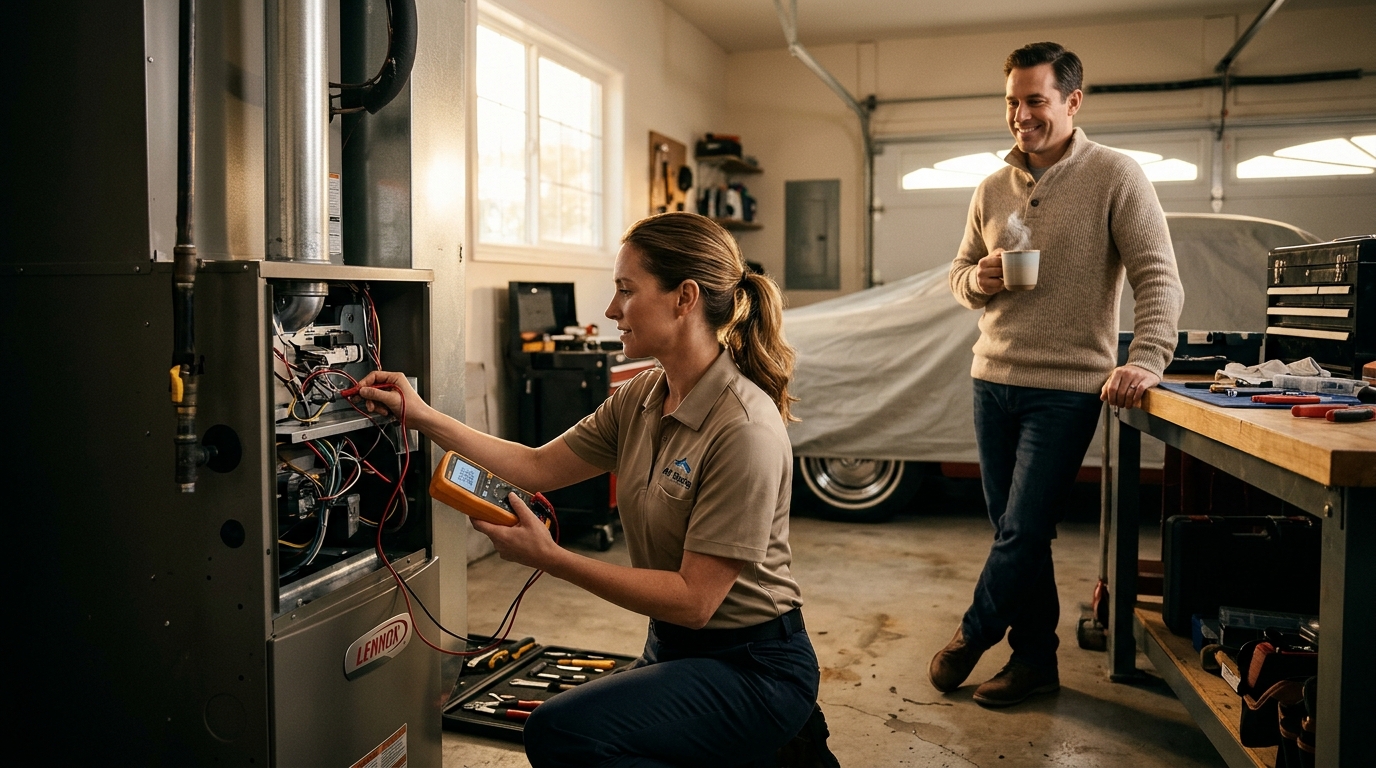
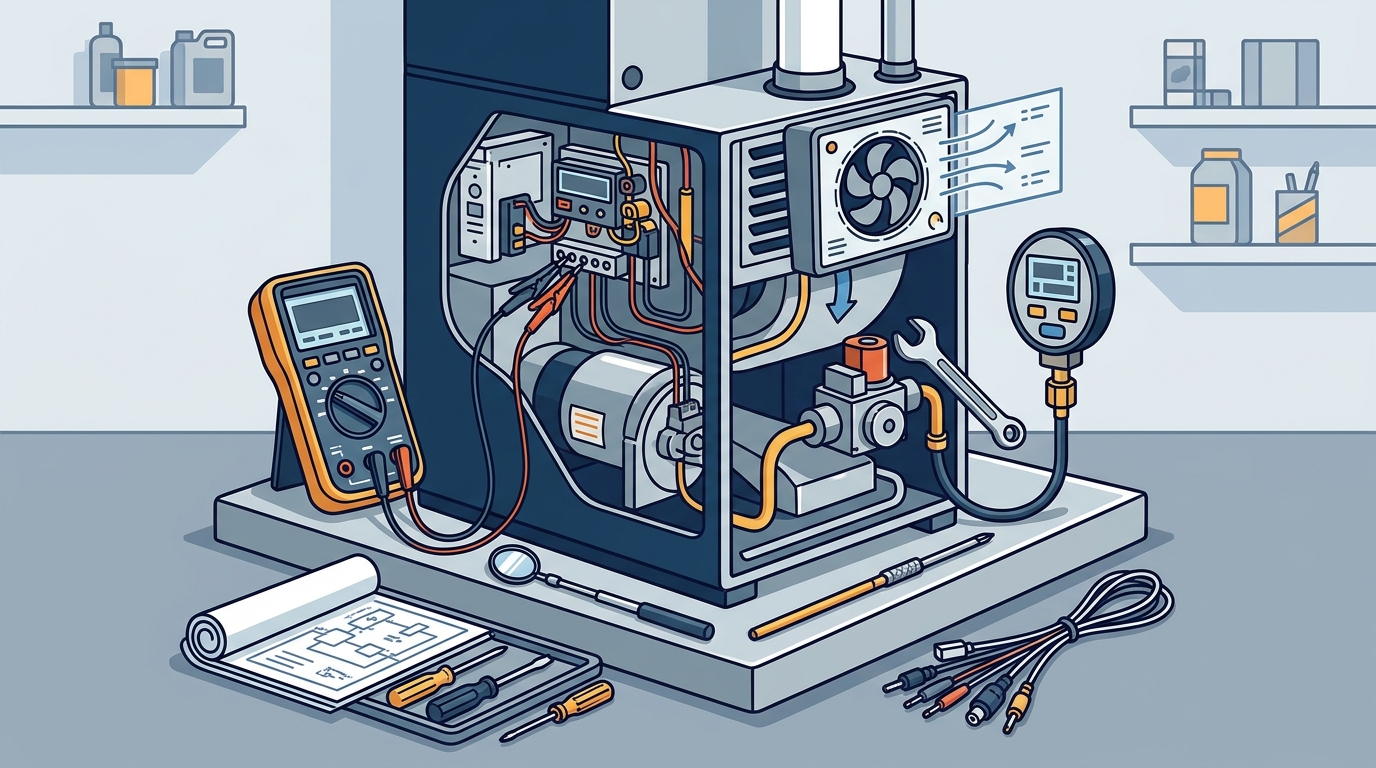
A furnace diagnostic is a systematic inspection process used to identify mechanical, electrical, or gas-related faults within a heating system. Technicians must use specialized tools to test electrical components, gas pressure, and airflow. This process requires skilled labor and time, even if the repair is simple. The fee ensures that the technician is compensated for their expertise and the time spent at your home. It also prevents abuse of the service call system by customers who only want a quick check without committing to a repair. For additional details on our service standards, review the Terms Of Use.
Fee Waivers and Credits
Many HVAC companies, including Air Sharks, offer fee waivers or credits if you proceed with the recommended repair. If the diagnostic fee is credited toward the repair, your out-of-pocket cost for the initial visit is effectively zero. This policy encourages homeowners to address issues promptly rather than delaying repairs due to cost concerns. Always ask about the credit policy when scheduling an appointment. This transparency builds trust and ensures you are not double-paying for the same service.
Labor Rate Factors in San Jose
Labor rates in the San Jose market are influenced by several key variables. Emergency service calls, such as those made on weekends or holidays, often carry a premium. Complex repairs that require disassembling large portions of the unit also take longer, increasing the total labor cost. Technicians with advanced certifications may charge higher rates due to their specialized training. The cost of living in the Bay Area also impacts wage structures for skilled tradespeople. These factors combine to create a higher baseline for service calls compared to other regions in California.
Impact of System Complexity
Modern high-efficiency furnaces contain complex electronic controls and sensors. Diagnosing these systems requires more time than older, simpler models. A technician must troubleshoot error codes, test sensor readings, and verify gas valve operation. This complexity justifies the diagnostic fee, as it ensures an accurate diagnosis rather than a guess. Accurate diagnosis prevents unnecessary part replacements and saves you money in the long run. It also ensures your system is safe to operate after the repair.
Common Furnace Repairs and Costs
Once a fault is identified, the repair cost depends on the specific component that failed. Ignition system failures, blower motor issues, and airflow problems are among the most common repairs. Part prices depend on the brand and model of your furnace. Generic parts are usually cheaper than OEM (Original Equipment Manufacturer) parts. However, using OEM parts can ensure better compatibility and longevity. Here is a general price range for common furnace components:
| Component | Typical Cost Range | Notes |
|---|
These costs are estimates and can vary based on the specific brand and model of your equipment. Always request a written estimate before authorizing any major repairs. This ensures you understand the total cost, including parts and labor. It also allows you to compare options if multiple solutions are proposed.
Repair vs. Replacement Decision
Repair vs. replacement is a critical decision that depends on the age, condition, and cost of the repair. A general rule of thumb is to consider replacement if the repair cost exceeds 50% of the cost of a new unit. Additionally, if your furnace is over 10 years old, replacement is often more cost-effective in the long run. Older furnaces are less efficient than modern models. A 15-year-old furnace might have an AFUE (Annual Fuel Utilization Efficiency) rating of 70%, while a new high-efficiency model can reach 95% or higher. Replacing an old unit can significantly reduce your energy bills. The savings on energy costs can offset the upfront cost of a new furnace over time.
Cost-Benefit Analysis
To make an informed decision, calculate the total cost of repair versus replacement. Include the cost of the repair, the remaining lifespan of the current unit, and the projected energy savings from a new unit. If the repair is minor and the unit is relatively new, repair is usually the best option. If the unit is old and the repair is expensive, replacement is often the smarter financial choice. Your technician can help you weigh these factors based on their professional assessment. This guidance helps you make a decision that aligns with your budget and long-term goals.
Key Takeaways
- Many companies, including Air Sharks, credit the diagnostic fee toward the repair if you proceed.
- Emergency and weekend service calls may carry higher labor rates.
- Complex high-efficiency systems may require more time to diagnose accurately.
- Consider replacement if the repair cost exceeds 50% of a new unit's price.
- Older furnaces are less efficient, making replacement more cost-effective over time.
- Always request a written estimate before authorizing major repairs.
Frequently Asked Questions
Is the diagnostic fee waived if I don't repair the furnace?
Generally, no. The diagnostic fee covers the technician's time and travel. However, if you proceed with the repair, the fee is often credited toward the total cost. Check with the specific company for their policy.
How long does a furnace diagnostic take?
A standard diagnostic visit typically takes 45 minutes to 2 hours. Complex issues or hard-to-access units may take longer. The technician will provide an estimate of the time required once they identify the problem.
What tools do technicians use for diagnostics?
Technicians use multimeters, gas pressure gauges, airflow meters, and combustion analyzers. These tools help them test electrical components, gas flow, and system efficiency. Accurate tools ensure a precise diagnosis.
Can I get a discount on the diagnostic fee?
Some companies offer discounts for first-time customers or through membership programs. Air Sharks offers an ASAP Membership that may include service call discounts. Ask about current promotions when scheduling.
What if the technician finds multiple issues?
The technician will explain all issues found and provide a detailed estimate for each. You can choose to repair only the critical issues or address all of them. This flexibility allows you to manage your budget effectively.
How do I know if my furnace needs a diagnostic?
Signs include no heat, unusual noises, strange odors, or frequent cycling. If your thermostat calls for heat but the furnace does not respond, a diagnostic is needed. Early diagnosis can prevent minor issues from becoming major repairs.
Do I need to be home during the diagnostic?
Yes, you must be home to grant access and discuss the findings. The technician will explain the diagnosis and recommended repairs in person. This ensures you understand the issues and can make informed decisions.
Conclusion
Understanding furnace diagnostic costs in San Jose helps you make informed decisions about your heating system. By knowing the typical fee range and factors that influence labor costs, you can budget effectively and avoid surprises. At Air Sharks, we are committed to providing transparent, high-quality service for all your heating and cooling needs. Whether you need a simple diagnostic or a full system replacement, our team is here to help. To schedule your visit, today.