
How to Choose a Contractor
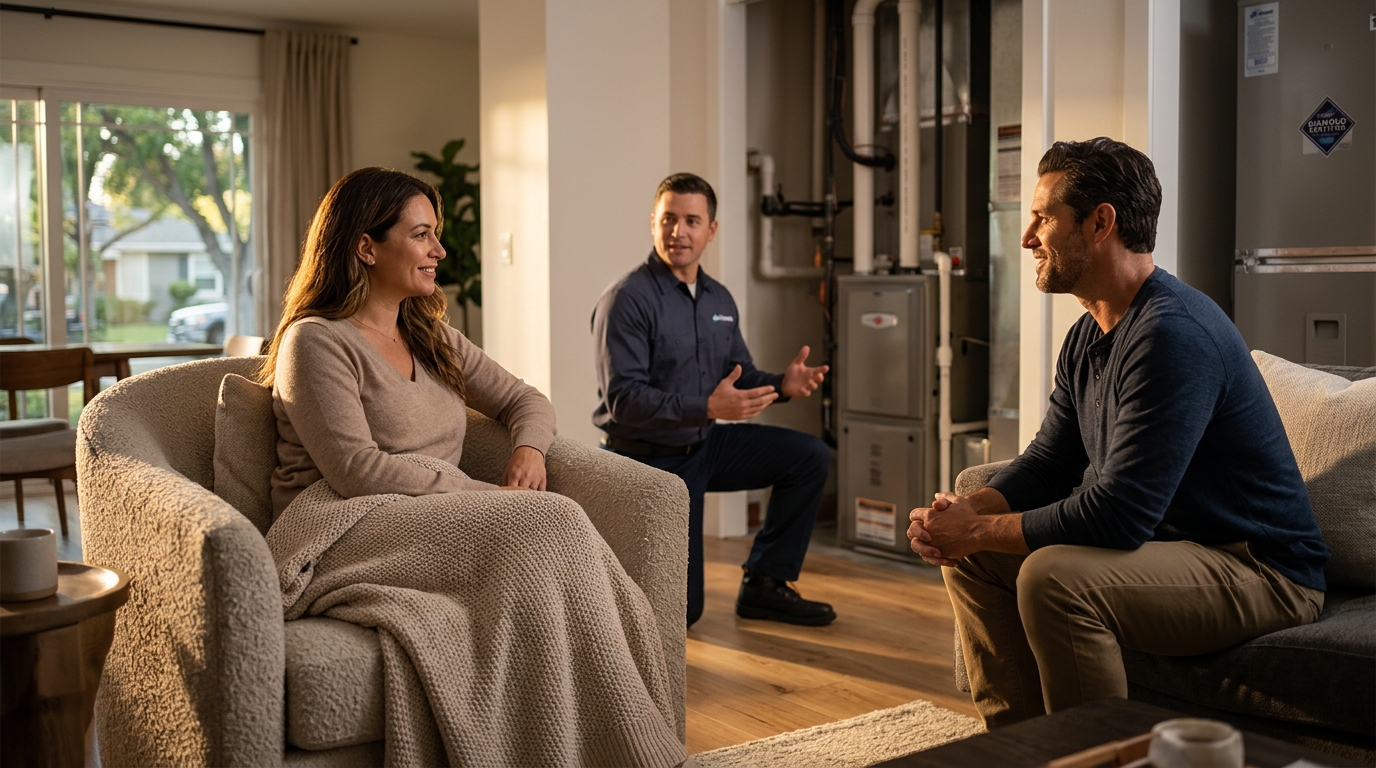
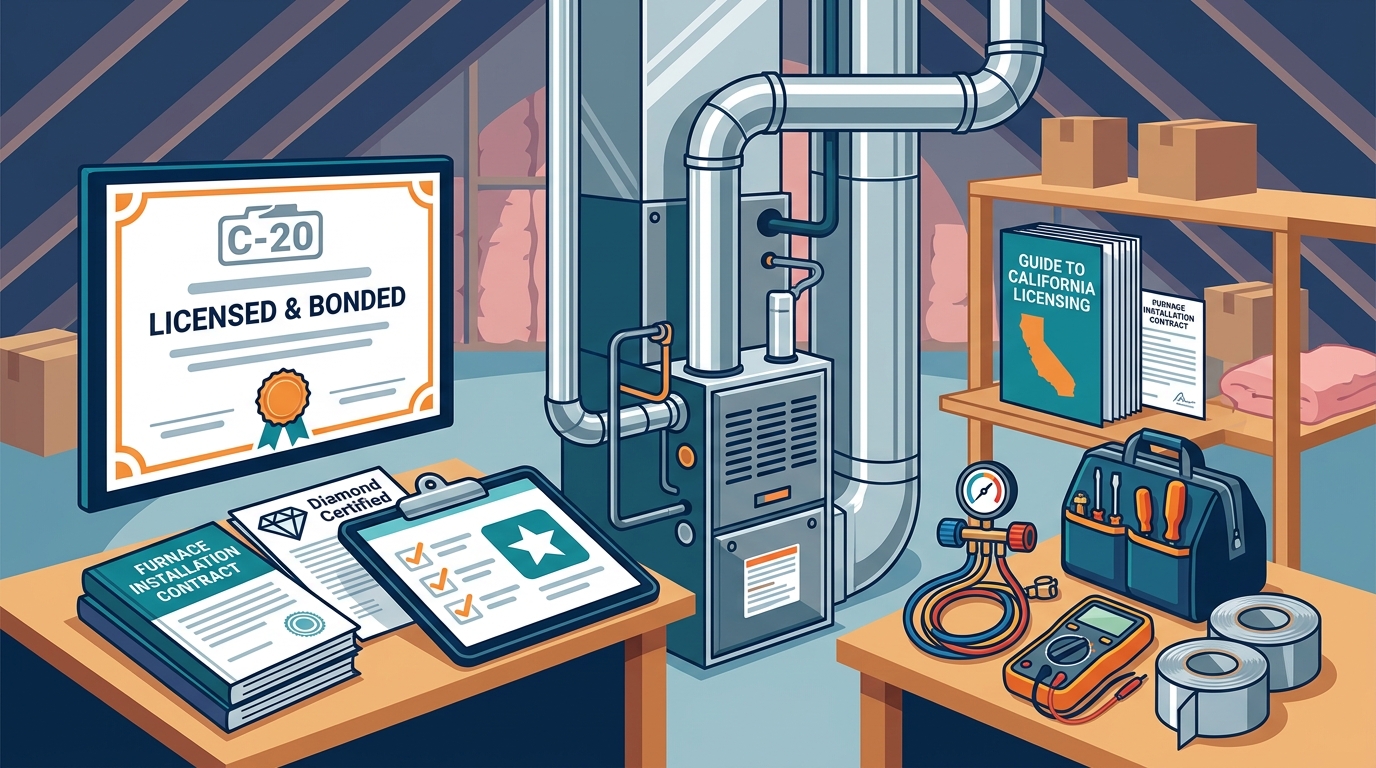
Choosing the right HVAC professional is the single most important factor in a successful furnace replacement. A qualified contractor is a licensed, insured, and bonded company that employs certified technicians. In California, you must hire a contractor holding a C-20 license for heating and air conditioning work. Unlicensed individuals cannot legally perform this work, and their insurance will not cover any damages or injuries. For additional details, review the Terms Of Use Air.
Licensing and Insurance
Always verify that the company holds a valid C-20 license. This license ensures the business has passed financial and technical exams. Additionally, the contractor must carry general liability insurance and workers' compensation. If a technician is injured on your property and the company lacks workers' comp, you could be held liable. Reputable firms like Air Sharks maintain full licensing and insurance to protect homeowners.
Experience and Reputation
Look for companies with a long history in the San Jose area. Local experience matters because regional climate and building codes affect system performance. Check online reviews and ask for references from recent customers. A company that has served the community for years is more likely to stand behind its work. For additional details, review the ASAP Membership Air Sharks.
What to Ask Before Committing
Before signing a contract, you need specific answers to ensure transparency. Vague promises are a red flag. Ask for a detailed, itemized written estimate. This document should break down the cost of the equipment, labor, permits, and any necessary ductwork modifications.
Key Questions for the Contractor
- Is the estimate valid for a specific period?
- What warranty covers the equipment and the labor?
- Will a permit be pulled, and who handles the inspection?
- How long will the installation take?
If a contractor refuses to provide a written estimate or avoids answering these questions, walk away. Clear communication is a hallmark of a professional service provider.
How to Verify Credentials
Verifying a contractor's claims is a critical step in protecting your investment. You can check the validity of a California C-20 license through the Contractors State License Board (CSLB). This free online tool allows you to search by license number or company name. The CSLB database shows the license status, any disciplinary actions, and the company's insurance coverage.
Checking Insurance and Bonding
While the CSLB confirms licensing, you should also request a Certificate of Insurance (COI) directly from the contractor's insurance provider. This document proves that general liability and workers' compensation policies are active. Do not rely on verbal assurances. A legitimate business will provide these documents without hesitation.
The Replacement Process
Understanding the workflow helps you prepare for the project. The process typically follows a structured sequence from assessment to final inspection. A standard replacement takes one to two days, depending on the complexity of the ductwork and the type of unit being installed.
Step-by-Step Workflow
- Load Calculation: The technician performs a Manual J calculation to determine the exact heating capacity needed for your home.
- Proposal and Permit: You review the quote, and the contractor pulls the required city permit.
- Installation: The old unit is removed, and the new furnace is installed. Ductwork may be adjusted for optimal airflow.
- Testing and Inspection: The system is tested for safety and efficiency. A city inspector may visit to verify code compliance.
Cost Drivers and Estimates
The total cost of furnace replacement in San Jose varies based on several factors. The unit itself is only part of the equation. Labor, permits, and ancillary work significantly impact the final price. Below is a breakdown of typical cost ranges for 2026.
| Component | Estimated Cost Range | Notes |
|---|
High-efficiency units cost more upfront but save money on energy bills over time. The choice depends on your budget and long-term savings goals.
Common Mistakes to Avoid
Homeowners often make errors that lead to poor performance or higher costs. One major mistake is sizing the furnace incorrectly. An oversized unit short-cycles, turning on and off frequently, which wastes energy and wears out the system. An undersized unit runs constantly, failing to reach the desired temperature.
Other Critical Errors
- Ignoring Ductwork: Leaky or undersized ducts negate the benefits of a new furnace.
- Choosing the Cheapest Bid: Low prices often indicate unlicensed workers or subpar equipment.
- Skipping Permits: Unpermitted work can cause issues when selling your home and may violate local codes.
Repair vs. Replace
Deciding between repair and replacement depends on the age and condition of your current system. A general rule of thumb is the 5-and-5 rule. If your furnace is over 10 years old and the repair cost is more than 50% of the cost of a new unit, replacement is usually the better financial decision.
When to Replace
Replace your furnace if it is over 15 years old, requires frequent repairs, or has a low AFUE rating. Modern high-efficiency units can save 20% to 30% on energy costs compared to older models. If your system is relatively new and the issue is minor, repair may be the sensible choice.
Scenario-Based Advice
Your specific home situation influences the best course of action. For example, if you are selling your home, a new furnace can increase property value and appeal to buyers. If you are in a new construction build, coordinating the furnace installation with the HVAC design phase ensures optimal efficiency.
Specific Cases
- Older Homes: May require ductwork upgrades to handle modern airflow requirements.
- Multi-Zone Homes: May benefit from variable speed blowers or zoning systems for better comfort.
- Energy-Conscious Homeowners: Should consider high-efficiency models or heat pumps to maximize savings.
Regulations and Protections
California and San Jose have specific regulations governing HVAC work. The California Energy Commission (CEC) sets minimum efficiency standards for new equipment. In San Jose, all furnace installations require a permit from the city. This ensures the work meets local building codes and safety standards.
Consumer Protections
As a consumer, you have the right to a written contract that outlines the scope of work, price, and timeline. You also have the right to verify the contractor's license and insurance. If a contractor fails to pull a permit, you can report them to the CSLB or the city building department.
San Jose Local Factors
San Jose's climate and housing stock present unique considerations for furnace replacement. The city experiences mild winters, but cold snaps can drop temperatures significantly. Many homes in the area have older furnaces that are no longer efficient. Additionally, San Jose has strict air quality regulations that may influence the type of venting required for gas furnaces.
Local Climate Impact
Because San Jose winters are mild, some homeowners consider heat pumps as an alternative to gas furnaces. Heat pumps are more efficient in moderate climates and can provide both heating and cooling. However, gas furnaces remain popular for their reliability during cold snaps. A local expert can help you determine the best system for your specific home.
Timing Your Replacement
Timing your furnace replacement can affect both cost and availability. The best time to replace a furnace is in the fall or spring. During these seasons, HVAC companies are less busy, and you may find better pricing and faster scheduling. Avoid replacing your furnace in the middle of a winter cold snap, as emergency rates may apply and parts may be in short supply.
Seasonal Considerations
- Spring: Ideal for planning and installation before winter.
- Fall: Good for last-minute replacements before cold weather.
- Winter: Emergency repairs only; expect higher costs and longer wait times.
Long-Term Outcomes
A new furnace provides measurable benefits over time. High-efficiency units can reduce energy bills by 20% to 30% compared to older models. This savings can offset the higher upfront cost within 5 to 10 years. Additionally, a new system provides more consistent comfort and quieter operation.
Long-Term Benefits
- Energy Savings: Lower monthly utility bills.
- Comfort: Even temperature distribution throughout the home.
- Reliability: Fewer breakdowns and repairs.
- Home Value: A new HVAC system can increase resale value.
Key Takeaways
- Always hire a licensed C-20 contractor with valid insurance.
- Verify credentials through the CSLB and request a Certificate of Insurance.
- Get a detailed, itemized written estimate before signing a contract.
- Use the 5-and-5 rule to decide between repair and replacement.
- Time your replacement in the spring or fall for better pricing and availability.
- High-efficiency units save money on energy bills over time.
- Local regulations require permits for all furnace installations in San Jose.
Frequently Asked Questions
How much does it cost to replace a furnace in San Jose?
Who can install a furnace in California?
Only a licensed C-20 contractor can legally install a furnace in California.
How long does furnace replacement take?
A standard replacement takes one to two days, including removal, installation, and testing.
Do I need a permit to replace my furnace?
Yes, San Jose requires a permit for all furnace installations to ensure code compliance.
What is the 5-and-5 rule?
If your furnace is over 10 years old and the repair cost is more than 50% of a new unit, replacement is usually the better choice.
Are heat pumps a good alternative to gas furnaces in San Jose?
Yes, heat pumps are efficient in San Jose's mild climate and can provide both heating and cooling.
How do I verify a contractor's license?
You can check the California Contractors State License Board (CSLB) website for license status and disciplinary history.
Conclusion
Replacing your furnace is a significant investment that requires careful planning and the right professional. By understanding the costs, verifying credentials, and following local regulations, you can ensure a successful installation. For reliable, licensed, and insured HVAC services in San Jose, trust Air Sharks. Schedule your visit now to get a detailed estimate and expert advice tailored to your home's needs.