
How to Choose a Provider
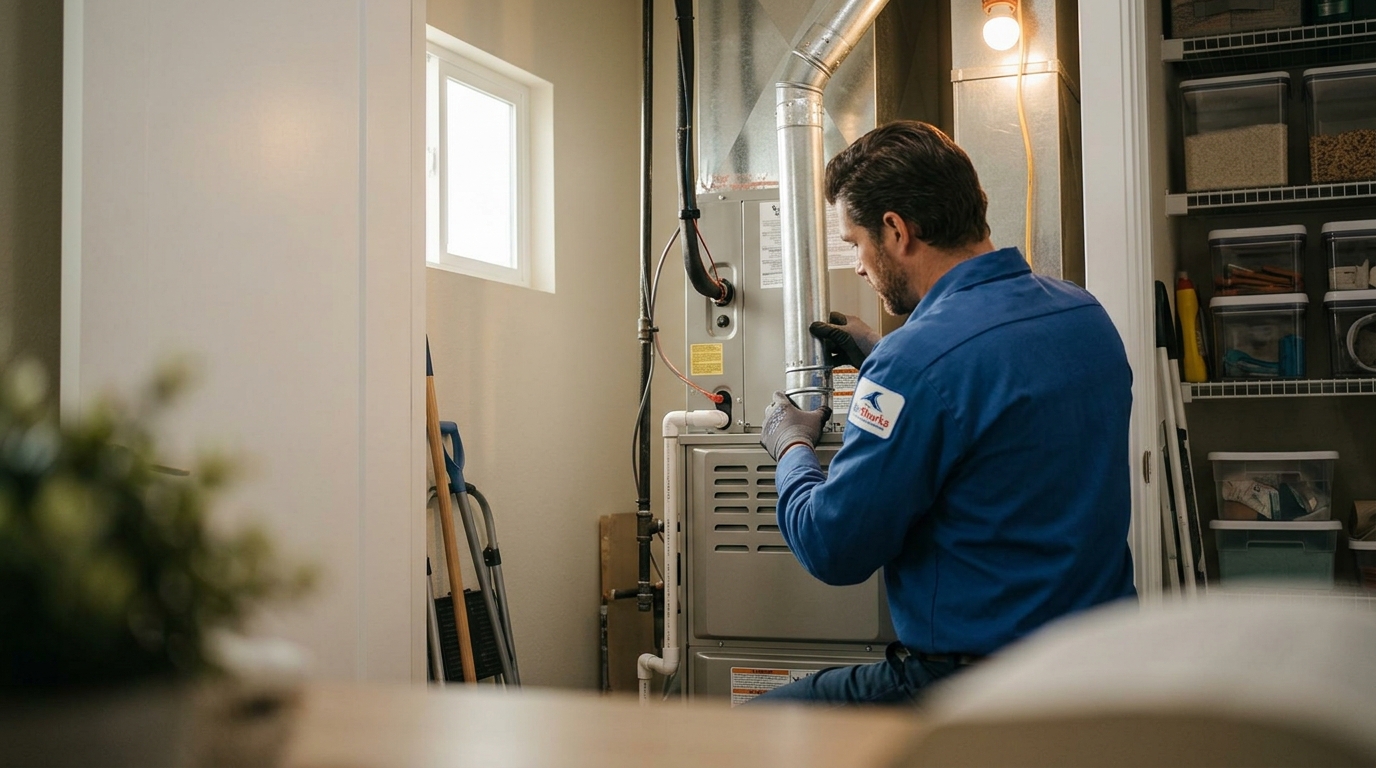
Choosing the right HVAC contractor is the most critical step in the replacement process. A qualified provider ensures safety, compliance, and long-term system performance. Professional HVAC service is the act of installing, maintaining, or repairing heating and cooling systems by licensed technicians. In the San Jose area, you should look for companies that are fully licensed and insured. Air Sharks, for example, operates as a licensed and insured HVAC provider serving the South Bay. They emphasize background and drug screening for all technicians, which adds a layer of safety when workers enter your home.
Licensing and Insurance
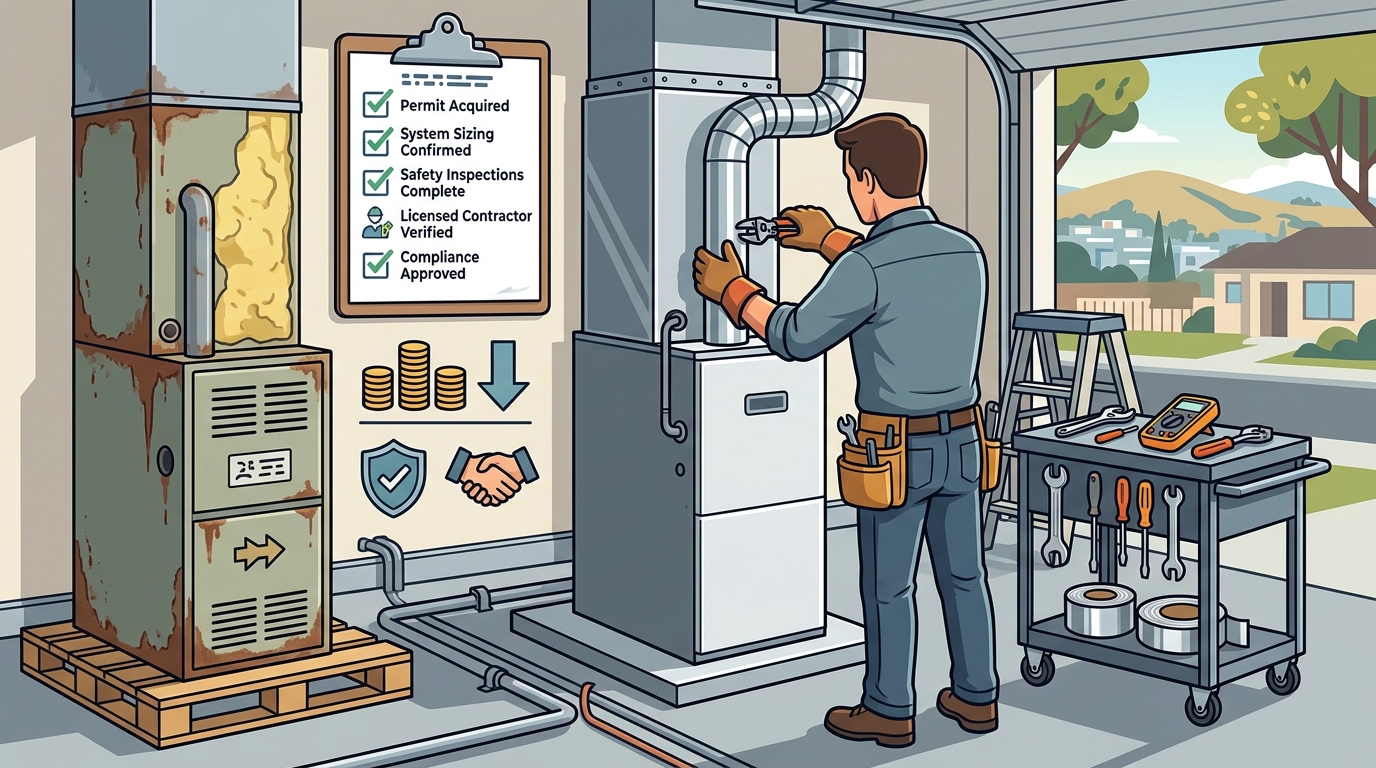
Always verify that a company holds a valid California C-36 or C-20 license. Insurance protects you from liability if an accident occurs during installation. Ask for a certificate of insurance before signing any contract. This is a non-negotiable requirement for any professional service.
Experience and Specialization
Questions to Ask Before Committing
Key Questions for the Contractor
- What is the total cost, including all taxes and fees?
- Is the price fixed, or could it change after installation begins?
- Who handles the permitting and inspection process?
- What warranty covers the equipment and the labor?
- How long will the installation take?
Pay attention to how they answer. A reputable company will provide clear, written answers. If they hesitate or give vague responses, it may be a sign of poor communication or hidden costs.
Verifying Credentials and Claims
Do not take a contractor's word for their credentials. Verify them independently. License verification is the process of confirming that a contractor holds a valid, active license with the state licensing board. In California, you can check the status of a contractor's license through the Contractors State License Board (CSLB) website. This free tool shows if the license is active, if there are any complaints, and if the company is bonded.
Checking Insurance and Bonding
Ask for a certificate of general liability insurance and workers' compensation. Verify the policy is current and covers the specific work being performed. Bonding protects you if the contractor fails to complete the job or violates the law. These documents should be provided willingly and without delay.
Reviewing Reputation
Check online reviews on multiple platforms. Look for patterns in feedback, especially regarding communication, cleanliness, and post-installation support. A company with a consistent history of positive reviews is generally more reliable than one with mixed or negative feedback.
The Replacement Process
Understanding the workflow helps you prepare your home and manage expectations. The process typically involves an initial assessment, a detailed quote, scheduling, installation, and final inspection. Most standard furnace replacements take one to two days to complete. Complex installations involving ductwork modifications may take longer.
Step-by-Step Workflow
- Assessment: A technician evaluates your current system, home size, and insulation to determine the correct unit size.
- Quote: You receive a detailed proposal with equipment options and pricing.
- Installation: Technicians remove the old unit, install the new one, and connect it to your ductwork and power source.
- Testing: The system is tested for proper operation, safety, and efficiency.
- Inspection: A local building inspector may visit to verify code compliance.
During the installation, the technician should explain the new system's features and how to operate it. They should also provide you with the manufacturer's warranty documentation and any required maintenance schedules.
Cost Drivers and Budgeting
The cost of furnace replacement in San Jose varies based on several factors. Understanding these drivers helps you budget realistically. The primary costs are the equipment itself, labor, and any necessary modifications to your home's infrastructure. according to How much does
Equipment Costs
Standard gas furnaces with an Annual Fuel Utilization Efficiency (AFUE) rating of 80% are the most affordable. High-efficiency models with AFUE ratings of 90% to 98% cost more upfront but save money on energy bills over time. Heat pumps and ductless systems have different price points depending on the number of zones and capacity.
Labor and Installation
Labor costs in the San Jose area are higher than the national average due to the cost of living. Installation complexity affects labor time. Replacing a furnace in the same location is cheaper than moving it or modifying ductwork. Permits and disposal fees are additional costs that should be included in the quote. according to How much does
Common Mistakes to Avoid
Homeowners often make mistakes that lead to poor performance or higher costs. Avoiding these pitfalls ensures a successful replacement. One common error is choosing a unit that is too large or too small for the home. An oversized unit cycles on and off frequently, reducing efficiency and comfort. An undersized unit runs constantly, wearing out faster and failing to heat the home adequately.
Ignoring Ductwork Condition
Old or leaky ductwork can negate the benefits of a new, efficient furnace. If your ducts are damaged, consider repairing or replacing them before installing the new unit. A professional duct inspection can identify issues that affect airflow and efficiency.
Skipping the Maintenance Plan
Many homeowners skip annual maintenance after installation. Regular tune-ups keep the system running efficiently and can prevent minor issues from becoming major repairs. Some providers, like Air Sharks, offer maintenance plans that include priority service and discounts on repairs. These plans can extend the life of your new investment.
Replacement vs. Repair
Deciding between repair and replacement depends on the age and condition of your current system. Cost-benefit analysis is the evaluation of whether repairing an old system is more economical than replacing it. A general rule of thumb is to consider replacement if your furnace is over 15 years old and requires frequent repairs. If the cost of repair exceeds 50% of the cost of a new unit, replacement is usually the better option.
When to Repair
If your furnace is relatively new (under 10 years) and the repair is minor, fixing it may be the most cost-effective choice. Minor issues like a faulty igniter or blower motor can be resolved for a few hundred dollars. However, if the heat exchanger is cracked, replacement is strongly recommended due to safety risks.
When to Replace
Replace your furnace if it is inefficient, unsafe, or no longer meets your comfort needs. High-efficiency replacements can significantly reduce energy consumption. Additionally, if you are planning to sell your home, a new furnace can increase property value and appeal to buyers.
Scenario-Based Guidance
Different home situations require different approaches. Tailoring your decision to your specific circumstances ensures the best outcome. Consider the following scenarios when planning your replacement.
Older Homes with Historic Features
New Construction or Major Renovations
Regulations and Consumer Protections
California has specific regulations governing HVAC installations. Understanding these rules protects your rights as a consumer. All HVAC work must comply with local building codes and state safety standards. Permits are required for most furnace replacements, and inspections ensure the work meets code requirements.
Consumer Rights
As a consumer, you have the right to a written contract that outlines the scope of work, price, and timeline. You also have the right to verify the contractor's license and insurance. If a dispute arises, you can file a complaint with the CSLB or the local consumer protection agency. Keeping all documentation, including quotes, contracts, and receipts, is essential for resolving any issues.
San Jose Local Factors
San Jose's climate and local regulations influence furnace replacement decisions. The city experiences mild winters, but cold snaps can occur. This makes a reliable heating system important for comfort and safety. Local building codes may have specific requirements for ventilation and combustion air that affect installation.
Climate Considerations
Because San Jose winters are mild, some homeowners consider heat pumps as an alternative to gas furnaces. Heat pumps are more efficient for heating in moderate climates. However, gas furnaces are still popular for their ability to provide consistent heat during colder periods. The choice depends on your specific comfort needs and budget.
Service Area Coverage
Ensure the provider you choose serves your specific neighborhood. Air Sharks, for instance, covers San Jose and surrounding areas like Santa Clara, Sunnyvale, and Cupertino. Local providers often have better knowledge of the specific challenges in your area and can respond more quickly to service calls.
When to Schedule
Timing your replacement can affect both cost and availability. Scheduling during the off-season (spring or fall) often results in lower prices and faster service. During peak heating season (winter), demand is high, and providers may have longer wait times and higher rates. If your current system is failing, you may need to act quickly, but try to plan ahead if possible.
Seasonal Demand
Winter is the busiest time for HVAC companies. If you schedule in the fall, you can avoid the rush and potentially negotiate better terms. Spring is also a good time, as it allows you to test the system before the next heating season. Avoid scheduling major work during extreme weather events, as this can delay the process.
Long-Term Outcomes
A new furnace should provide reliable comfort and energy savings for many years. The long-term benefits include lower energy bills, improved indoor air quality, and increased home value. High-efficiency models can reduce energy consumption by 20% to 30% compared to older units. This translates to significant savings over the system's lifespan.
Energy Savings
Track your energy bills after installation to measure the savings. You should see a noticeable reduction in heating costs, especially if you replaced an old, inefficient unit. Regular maintenance helps maintain these savings by keeping the system running at peak efficiency.
System Longevity
With proper care, a new furnace can last 15 to 20 years. Following the manufacturer's maintenance schedule and addressing minor issues promptly extends the system's life. A well-maintained system is less likely to fail unexpectedly, providing peace of mind for years to come.
Key Takeaways
- Always verify a contractor's license and insurance through official state resources.
- Choose a unit size based on a professional load calculation, not just the old unit's size.
- Consider the age and condition of your ductwork before installing a new furnace.
- Schedule during the off-season for better pricing and availability.
- Invest in a maintenance plan to protect your investment and ensure long-term efficiency.
- Keep all documentation, including contracts and warranties, for your records.
Frequently Asked Questions
How much does it cost to replace a furnace in San Jose?
Who should I hire for furnace replacement?
Hire a licensed and insured HVAC contractor with experience in your type of system. Verify their credentials through the California Contractors State License Board. Look for companies with positive reviews and a strong local presence, such as Air Sharks in the San Jose area.
How long does furnace replacement take?
Most standard replacements take one to two days. Complex installations involving ductwork changes or moving the unit may take longer. The contractor should provide a clear timeline in their quote.
Is it worth replacing an old furnace?
If your furnace is over 15 years old and requires frequent repairs, replacement is usually more cost-effective. High-efficiency models can save money on energy bills and provide better comfort. A cost-benefit analysis can help you decide.
Do I need a permit for furnace replacement?
Yes, most furnace replacements require a permit in San Jose. The contractor should handle the permitting process and schedule the required inspection. Ensure the permit is included in your quote.
What is the difference between a gas furnace and a heat pump?
A gas furnace burns natural gas to produce heat, while a heat pump moves heat from outside to inside. Heat pumps are more efficient in mild climates like San Jose, but gas furnaces provide consistent heat during colder periods. The best choice depends on your specific needs and budget.
How can I save money on furnace replacement?
Schedule during the off-season, compare quotes from multiple providers, and consider high-efficiency models that qualify for rebates. Check with your utility provider for available incentives. A maintenance plan can also save money on future repairs.
Conclusion
Furnace replacement is a significant investment that requires careful planning and the right partner. By understanding the costs, verifying credentials, and choosing a reputable provider, you can ensure a successful outcome. Air Sharks offers comprehensive HVAC services in San Jose, including installation, repair, and maintenance. Their commitment to licensed, background-checked technicians and customer satisfaction makes them a reliable choice for your heating needs. To get started, schedule a visit with Air Sharks today and take the first step toward a more efficient and comfortable home.