

How to Choose a Provider
Licensing and Insurance
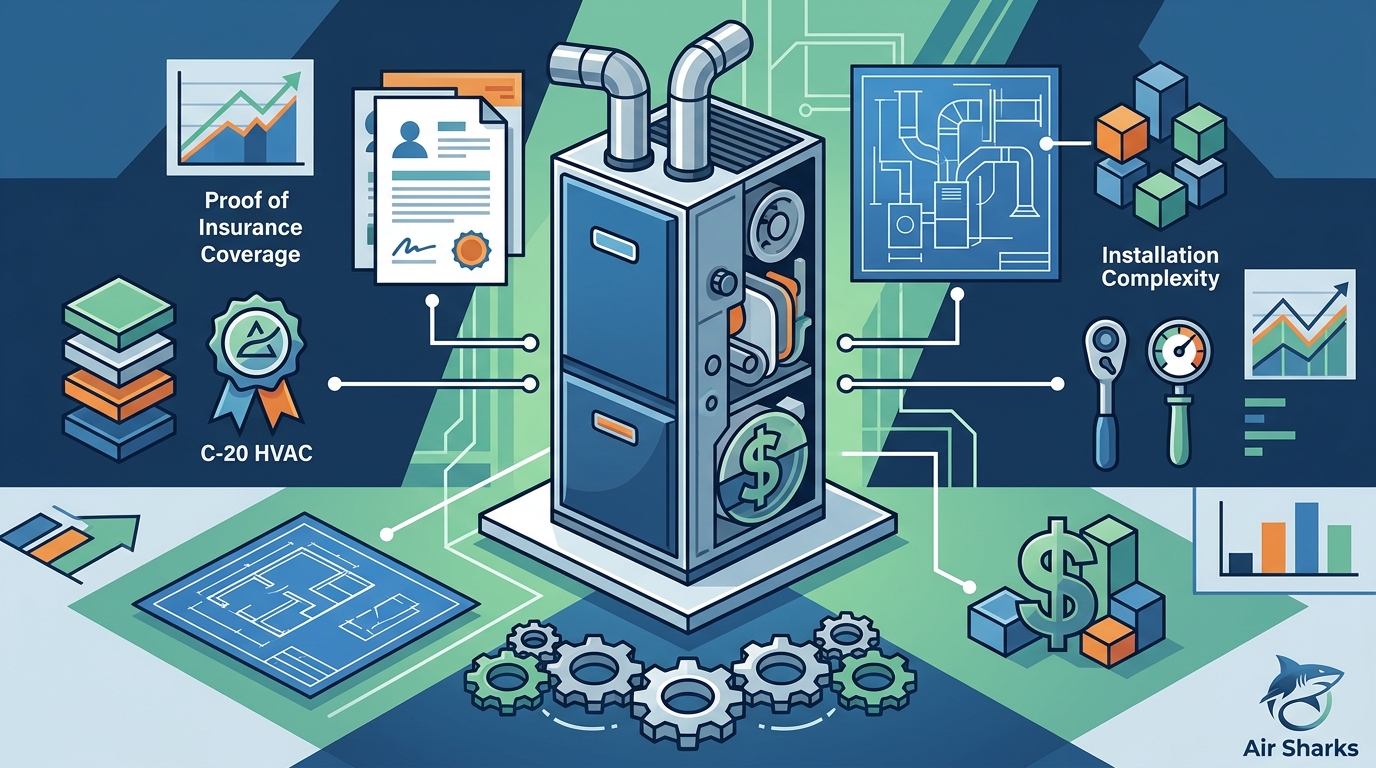
Every contractor you hire must hold a valid California C-20 HVAC license. This license ensures the company has passed state exams and maintains specific insurance coverage. Verify that the company is fully insured to protect your property from accidental damage during installation. For additional details, review the Terms Of Use Air.
Experience and Reputation
Experience matters significantly in complex installations. Look for companies that have served the local area for several years. Check online reviews and ask for references from recent customers to gauge reliability and workmanship quality. For additional details, review the Privacy Policy Air Sharks.
What to Ask Before Committing
Before signing a contract, you must ask specific questions to ensure you understand the scope of work. These questions help clarify costs, warranties, and the technical details of the new system. For additional details, review the ASAP Membership Air Sharks.
Cost and Warranty Details
Ask for a line-item breakdown of the total cost. This should include equipment, labor, permits, and any necessary ductwork modifications. Also, ask about the manufacturer warranty and the labor warranty provided by the installer.
Technical Specifications
Inquire about the efficiency rating (AFUE) of the proposed furnace. Ask why a specific model was chosen for your home. Understanding the technical rationale helps you make an informed decision rather than accepting a default recommendation.
How to Verify Credentials
Verifying a contractor's credentials is a simple but essential step. You can confirm licensing status through the California Contractors State License Board (CSLB) website. This free tool allows you to search for a license number and view any disciplinary actions or complaints.
Additionally, check for industry certifications. Many HVAC technicians hold NATE (North American Technician Excellence) certification, which demonstrates advanced technical knowledge. While not legally required, it is a strong indicator of professional competence.
How the Process Works
The furnace replacement process follows a structured sequence to ensure safety and efficiency. It typically begins with a diagnostic assessment, followed by a detailed proposal and scheduling.
Step 1: Diagnostic Assessment
The technician performs a load calculation to determine the correct size for your new furnace. This step is crucial because an oversized or undersized unit will perform poorly and waste energy.
Step 2: Installation and Permits
Once you approve the proposal, the company schedules the installation. They will pull the necessary permits from the local building department. The physical installation usually takes one to two days, depending on the complexity of the ductwork.
Step 3: Final Inspection
After installation, a local building inspector may visit to verify code compliance. The contractor will also perform a final system test to ensure the furnace is operating safely and efficiently.
What Drives the Cost
Several factors influence the final price of a furnace replacement. Understanding these variables helps you budget accurately and avoid unexpected charges.
| Factor | Impact on Cost | Typical Range |
|---|---|---|
| System Size | Larger homes require larger, more expensive units. | Varies by BTU |
The type of fuel also plays a role. Gas furnaces are common in San Jose, but electric heat pumps are becoming more popular due to energy efficiency. The cost difference between these options can be significant.
Common Mistakes to Avoid
Homeowners often make errors that lead to poor performance or higher costs. Avoiding these mistakes ensures a successful replacement.
Ignoring Load Calculations
Many contractors install a unit based on the size of the old furnace. This is a mistake. A proper Manual J load calculation is required to determine the correct size for your specific home.
Skipping the Permit
Installing a furnace without a permit is illegal and can void your insurance. Always ensure your contractor pulls the necessary permits before starting work.
Furnace vs. Alternatives
While furnaces are traditional, other heating options exist. Heat pumps are a popular alternative in mild climates like San Jose. They provide both heating and cooling, which can be more cost-effective in the long run.
Hybrid systems combine a furnace with a heat pump. This setup uses the heat pump for mild days and the furnace for cold snaps. It offers a balance of efficiency and reliability.
Specific Situations
Additionally, homes with poor insulation may benefit from a different heating strategy. A professional assessment can identify these issues and recommend the best solution.
Rules and Protections
California has strict regulations governing HVAC installations. These rules are designed to protect public safety and ensure energy efficiency. Contractors must adhere to state building codes and local ordinances.
Consumers are protected by the California Consumer Law, which provides remedies for defective workmanship. Always keep a copy of your contract and all receipts for your records.
San Jose Local Specifics
San Jose has specific climate and regulatory considerations. The city experiences mild winters, which means heating loads are generally lower than in northern California. This can influence the size and type of furnace recommended.
Local building departments have specific permit requirements. Working with a local contractor like Air Sharks ensures familiarity with these local processes and codes.
Timing Your Replacement
Additionally, check for manufacturer promotions. These can provide significant savings on high-efficiency models. Planning ahead allows you to take advantage of these offers.
Long-Term Results
A new furnace provides measurable benefits over time. Energy efficiency improvements can reduce monthly utility bills by 10% to 20%. The system also provides more consistent temperature control, enhancing comfort.
Regular maintenance is key to maximizing these benefits. A maintenance plan ensures the system operates at peak efficiency and extends its lifespan. This proactive approach protects your investment.
Key Takeaways
- Always verify the contractor's California C-20 license and insurance.
- Request a detailed line-item estimate to understand all costs.
- A proper load calculation is essential for correct system sizing.
- Permits are required for all furnace installations in California.
- Consider heat pumps or hybrid systems for better efficiency in mild climates.
- Schedule replacements in spring or fall for better pricing and availability.
- Regular maintenance extends the lifespan and efficiency of your new system.
Frequently Asked Questions
How much does a new furnace cost in San Jose?
Who can install a furnace in San Jose?
Only licensed HVAC contractors with a California C-20 license can install furnaces. You should verify the license through the CSLB website. Companies like Air Sharks are licensed and insured for this work.
How long does furnace replacement take?
Do I need a permit to replace my furnace?
Yes, a permit is required for all furnace installations in San Jose. Your contractor should pull the permit on your behalf. Installing without a permit is illegal and can void your insurance.
What is the difference between a furnace and a heat pump?
A furnace burns fuel to generate heat, while a heat pump moves heat from outside to inside. Heat pumps are more efficient in mild climates like San Jose. They also provide cooling, making them a versatile option.
How do I know if my furnace needs replacement?
Signs include frequent breakdowns, rising energy bills, and uneven heating. If your furnace is over 15 years old, replacement is often more cost-effective than repair. A professional assessment can confirm this.