
Heat pump installation costs in San Jose vary widely based on equipment type, home layout, and local labor rates. Understanding these variables helps homeowners budget accurately and avoid unexpected fees. This guide breaks down the ten primary drivers of pricing for residential heat pump projects in the region. For additional details, review the Career Air Sharks.
1. Equipment Capacity and Efficiency Rating
The size and SEER2 rating of the unit are the largest single cost drivers. Higher efficiency models cost more upfront but reduce long-term energy bills. In San Jose, where mild winters allow for efficient heat pump operation, choosing the correct tonnage is critical to avoid oversizing or undersizing the system.
2. Ductwork Condition and Modifications
Existing ductwork quality determines whether repairs or full replacements are needed. Older homes in the Bay Area often have leaky or undersized ducts that require sealing or resizing to match a new heat pump. If your home lacks ducts entirely, a ductless mini-split system may be a more cost-effective alternative.
3. System Type: Central vs. Ductless
Central heat pumps and ductless mini-splits have different installation complexities and price points. Central systems require extensive ductwork integration, while ductless units involve wall penetrations and individual indoor heads. The choice depends on your home's existing infrastructure and the number of zones you wish to control.
4. Electrical Panel and Wiring Upgrades
Modern heat pumps often require 240-volt circuits that older homes may not support. If your electrical panel is outdated or lacks available space, an electrician must upgrade the panel or run new wiring. This labor-intensive step can significantly increase the total project cost.
5. Home Size and Zone Requirements
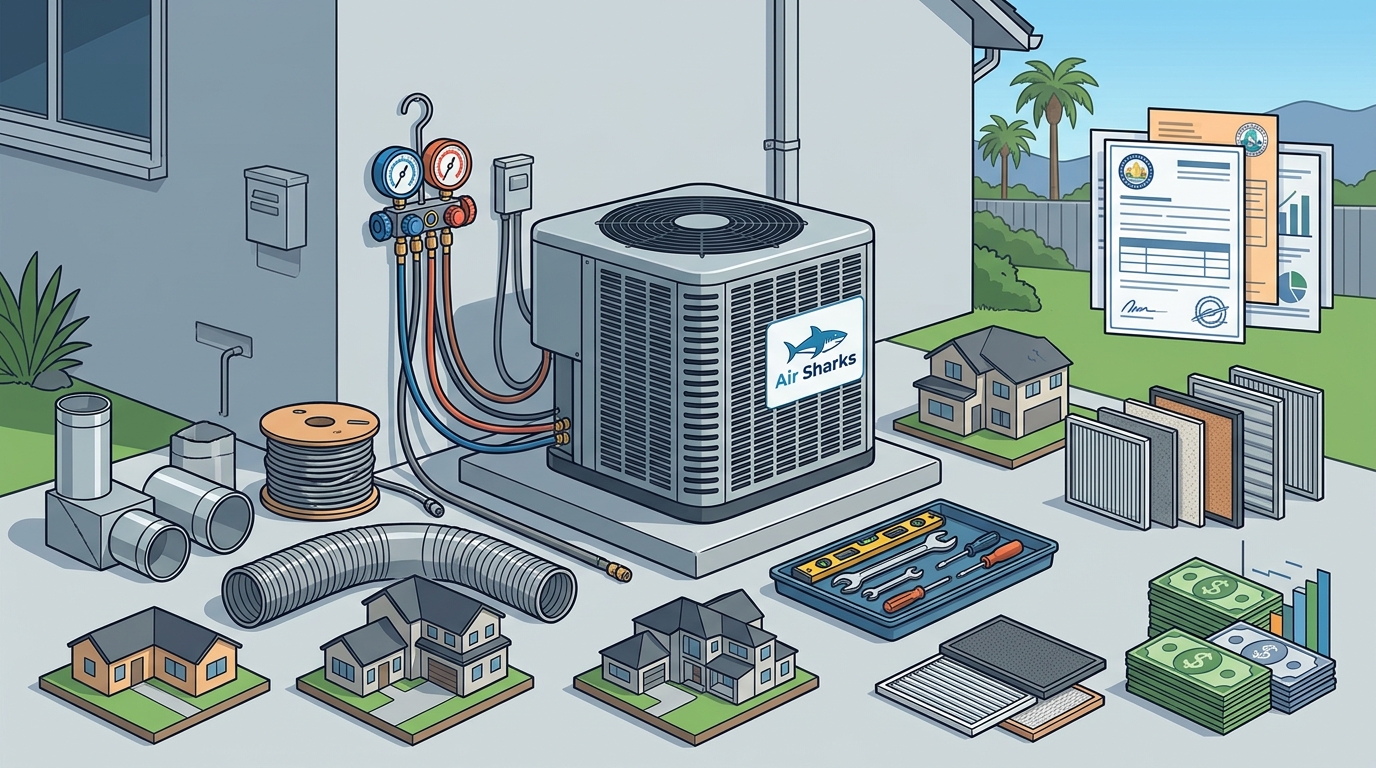
The square footage of your home dictates the number of units or the capacity of the central system. Larger homes or those with distinct temperature zones may require multiple indoor units or a larger central condenser. Accurate load calculations are essential to ensure the system meets the specific heating and cooling demands of your space.
6. Local Labor Rates and Contractor Expertise
San Jose labor costs are higher than the national average due to regional demand and cost of living. Experienced HVAC technicians command premium rates for their expertise in handling complex installations. Hiring a certified local provider ensures proper handling of permits and compliance with local building codes.
7. Permitting and Code Compliance
City of San Jose permits and inspections add mandatory fees to any HVAC project. Contractors must file permits and schedule inspections to ensure the installation meets safety and efficiency standards. These administrative costs are typically included in the final invoice but vary based on the scope of work.
8. Accessibility and Installation Complexity
9. Removal and Disposal of Old Equipment
Disposing of old HVAC units involves environmental handling fees and labor. Contractors must properly recover refrigerants and haul away old compressors and coils. This service is often bundled into the installation price but can be an additional line item if not specified in the quote.
10. Incentives and Rebate Eligibility
Available rebates can offset a significant portion of the installation cost. Homeowners in San Jose may qualify for utility rebates or state incentives for high-efficiency heat pumps. Understanding which programs apply to your specific equipment and home type can reduce the net cost of the project.
Choosing the Right Heat Pump for Your Budget
Selecting a heat pump requires balancing upfront cost with long-term energy savings and comfort needs. A professional load calculation and detailed quote from a local expert will clarify which factors apply to your specific home. By addressing ductwork, electrical, and equipment choices early, you can predict the total investment more accurately.
Frequently Asked Questions
How much does a heat pump installation cost in San Jose?
Costs vary based on system type, home size, and labor, but homeowners should expect a range that reflects local labor rates and equipment efficiency. A detailed quote from a local HVAC provider is the most accurate way to determine the price for your specific property.
Do I need to upgrade my electrical panel for a heat pump?
Many modern heat pumps require 240-volt power, which older homes may not have. An electrician will assess your panel during the initial inspection to determine if upgrades are necessary before installation can proceed.
Are there rebates for heat pumps in San Jose?
What is the difference between a central and ductless heat pump?
Central heat pumps use existing ductwork to distribute air, while ductless mini-splits use individual indoor units without ducts. Ductless systems are often better for homes without ducts or for zoning specific rooms, while central systems are suited for whole-home comfort.
How long does a heat pump installation take?
Most standard installations take one to two days, depending on the complexity of the ductwork and electrical work. More complex projects involving panel upgrades or extensive duct modifications may take longer.
Why are San Jose labor costs higher?
Regional cost of living and high demand for skilled trades drive up labor rates in the Bay Area. Hiring a local, experienced contractor ensures compliance with local codes and proper installation quality, which justifies the premium.
Next Steps
Ready to explore your options? Contact Air Sharks to schedule a consultation and get a detailed quote for your San Jose home.