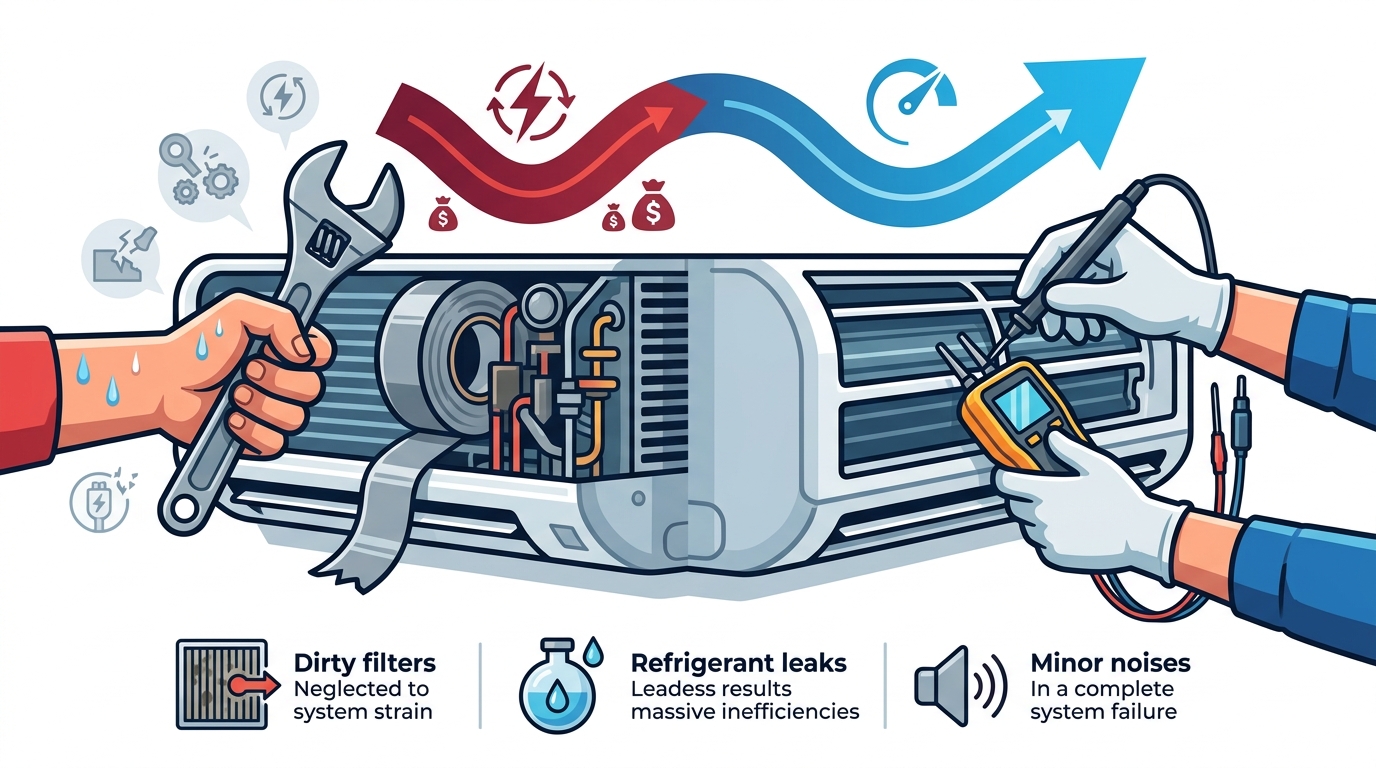
Ignoring minor HVAC quirks often leads to catastrophic system failures that drain your wallet. According to the U.S. Department of Energy, homeowners waste an average of 30% of the energy that enters their home due to inefficient heating and cooling systems. This inefficiency is rarely caused by bad luck but rather by preventable maintenance errors. When you attempt to diagnose complex mechanical issues without proper tools or knowledge, you risk turning a simple filter change into a compressor replacement. Understanding these common pitfalls is the first step toward protecting your home comfort and your bank account.
The Filter Neglect Trap
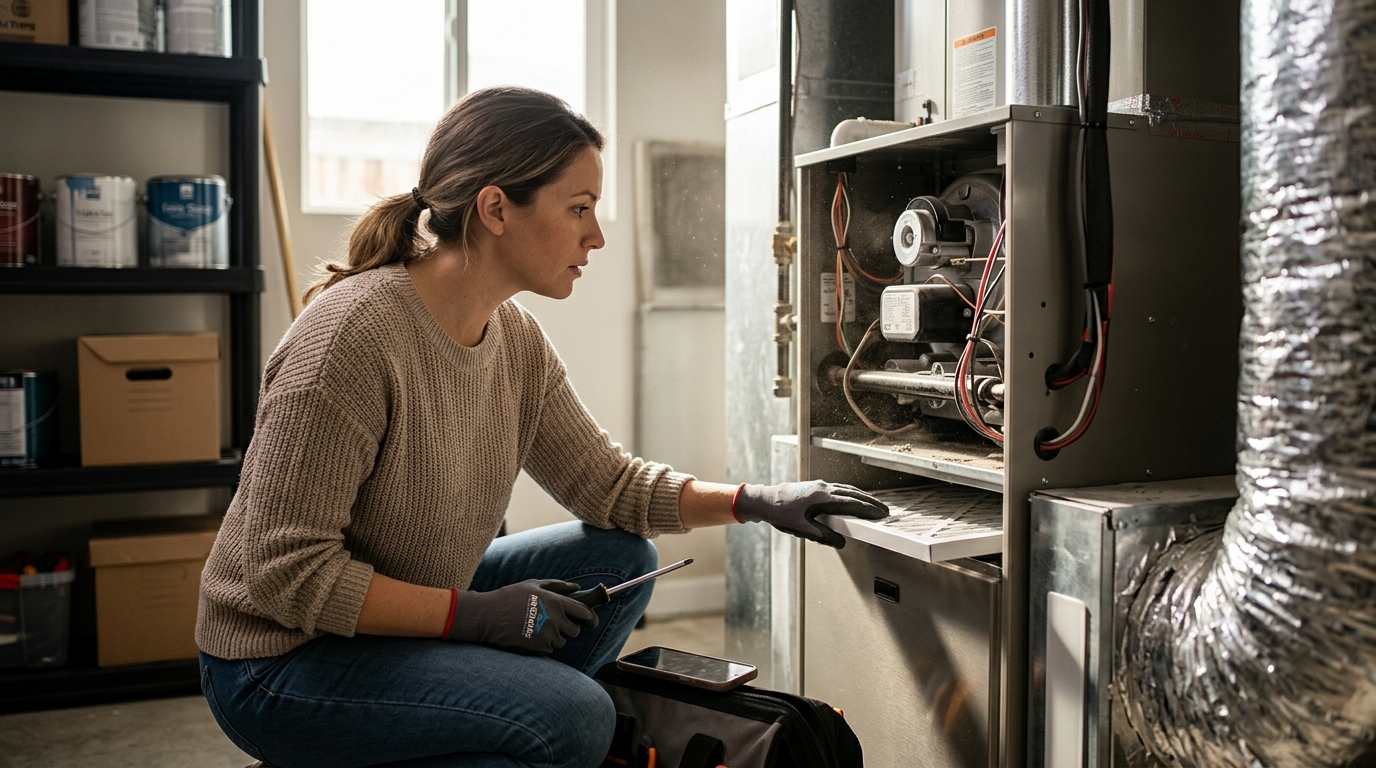
The most frequent and costly mistake homeowners make is ignoring air filters. Many people believe that a slightly dirty filter is harmless, but this assumption creates a cascade of mechanical stress. Air filters are designed to trap particulates, not to regulate airflow dynamics under resistance. When a filter becomes clogged, the blower motor must work significantly harder to pull air through the system. This increased strain leads to overheating and premature motor failure.
Furthermore, restricted airflow causes the evaporator coil to freeze. Ice buildup insulates the coil, preventing it from absorbing heat effectively. When the ice melts, it can cause water damage inside your home or trigger safety switches that shut down the entire system. Regular replacement is not just about air quality; it is about mechanical longevity. For guidance on maintenance schedules, you can review industry standards from Energy Star for Buildings.
Thermostat Misconfigurations
Smart thermostats offer convenience, but they also introduce new avenues for user error. A common mistake is placing the thermostat in direct sunlight or near a heat source. This placement causes the sensor to read a higher temperature than the actual room, leading the system to cycle off prematurely. The result is an unevenly heated home and wasted energy.
Another critical error involves the "hold" versus "run" settings. Homeowners often set a temporary schedule and forget to switch it back to the program mode. This oversight can lead to the system running continuously during unoccupied hours or failing to activate when needed. Proper calibration ensures that your HVAC system operates only when necessary. You can learn more about optimal thermostat placement from the EPA Energy Savers program.
The Refrigerant Myth
One of the most dangerous misconceptions in HVAC troubleshooting is the belief that adding refrigerant is a simple fix for low cooling. Refrigerant is a closed-loop substance that should never be consumed or lost under normal operation. If your system is low on refrigerant, it indicates a leak that must be located and sealed. Simply topping off the refrigerant is illegal under EPA regulations and provides only a temporary, costly fix.
Low refrigerant levels cause the evaporator coil to freeze, just like a dirty filter. However, the root cause is chemical imbalance rather than airflow restriction. Attempting to recharge a system without proper gauges and training can lead to liquid slugging, which destroys the compressor. This component is the heart of your AC unit and is expensive to replace. For regulatory context, refer to EPA Section 608 Certification guidelines.
Electrical Guesswork
Homeowners often attempt to reset tripped breakers or replace blown fuses without understanding the underlying cause. While a breaker may trip due to a momentary surge, repeated tripping indicates a short circuit or an overloaded line. Ignoring this warning sign can lead to electrical fires or damage to the control board.
Another common error is mishandling capacitors. These components store high-voltage electricity even when the power is off. Discharging them incorrectly can result in severe electrical shock. Furthermore, loose wire connections can create arcing, which generates intense heat and corrodes terminals over time. Electrical work requires precision and safety protocols that go beyond basic DIY knowledge. Safety standards are outlined by the National Fire Protection Association.
Ignoring Drain Line Clogs
A clogged condensate drain line is a silent killer of HVAC systems. As your air conditioner removes humidity from the air, it produces water that must be drained away. When algae or debris blocks this line, water backs up into the drain pan. If the pan overflows, it can cause significant water damage to your ceilings and walls.
Many modern systems have a float switch that shuts off the unit when the pan is full. However, this safety feature only prevents further damage; it does not fix the clog. Leaving a clogged drain line untreated can lead to mold growth and unpleasant odors. Regular cleaning with a wet/dry vacuum or a specialized tablet is essential. For maintenance tips, consult HVAC School resources.
When to Call Air Sharks
While some maintenance tasks are within the realm of DIY, others require professional expertise. Attempting to repair complex mechanical or electrical issues without proper training can void your warranty and create safety hazards. Professional technicians have the tools and knowledge to diagnose issues accurately and efficiently.
At Air Sharks, we specialize in identifying these hidden problems before they become major expenses. Our team provides comprehensive diagnostics, ensuring that your system operates at peak efficiency. We offer transparent pricing and reliable service across our service areas. Explore our HVAC Services to learn more about our offerings.
Cost Comparison of DIY vs. Professional Repair
| Issue Type | DIY Cost Estimate | Professional Repair Cost | Risk Level |
|---|---|---|---|
| Dirty Filter | $15 - $50 | $0 (Included in service) | Low |
| Thermostat Calibration | $0 - $100 | $75 - $150 | Medium |
| Refrigerant Leak | Illegal/High Risk | $300 - $1,000+ | High |
| Electrical Component | High Risk | $200 - $600 | Critical |
Key Takeaways
- Ignoring air filters can reduce your HVAC system's efficiency by up to 15%.
- Refrigerant leaks must be repaired, not just topped off, to comply with EPA regulations.
- Thermostat placement significantly impacts energy consumption and comfort levels.
- Electrical guesswork can lead to dangerous arcing and compressor failure.
- Drain line clogs can cause water damage and mold growth if left untreated.
- Professional diagnostics prevent costly emergency repairs and extend system lifespan.
- Regular maintenance is more cost-effective than reactive troubleshooting.
Frequently Asked Questions
Can I fix a refrigerant leak myself?
No, it is illegal and unsafe for homeowners to handle refrigerant. Only EPA-certified professionals can legally repair leaks and recharge systems.
How often should I change my HVAC filter?
Most manufacturers recommend changing filters every 1 to 3 months, depending on usage and air quality. Regular changes maintain airflow and efficiency.
Why does my AC freeze up?
AC units freeze due to restricted airflow from dirty filters or low refrigerant levels. Both conditions prevent the evaporator coil from absorbing heat properly.
What is the most common HVAC mistake?
The most common mistake is ignoring minor symptoms like strange noises or reduced airflow until the system fails completely.
How can I prevent water damage from my AC?
Regularly clear the condensate drain line and ensure the drain pan is clean and unobstructed to prevent overflow.
Is it worth hiring a professional for diagnostics?
Yes, professional diagnostics can identify hidden issues that DIY methods miss, saving you money on future repairs and energy bills.
Protect Your Home with Expert Care
Don't let common troubleshooting mistakes drain your wallet. Trust the experts at Air Sharks to keep your system running efficiently and safely. Schedule your service today by visiting our Contact Page to book an appointment.